Henny Penny Fryer Buying Guide for Kitchens
Henny Penny Fryer Buying Guide for Busy Commercial Kitchens
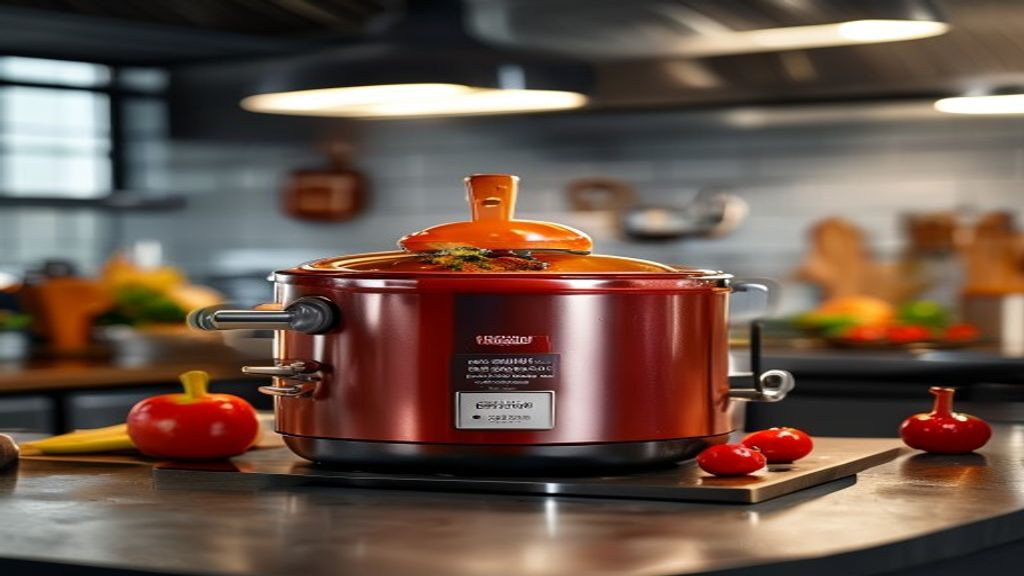
A Henny Penny fryer is a common shortlist item when restaurants need consistent fried chicken, high-volume sides, and repeatable cook cycles. Buyers usually weigh pressure fryers against open fryers, then match tank size, fuel type, and controls to real service demand. For more background, see Learn more about henny penny fryer.
Kitchen managers care less about brochure language and more about how the unit handles rush periods, oil life, cleaning time, and operator training. The right choice depends on menu mix, peak tickets per hour, available utilities, and how much floor and hood space you can spare.
This guide walks through practical comparison points for restaurant owners, kitchen managers, and equipment buyers evaluating Henny Penny pressure fryers and related commercial frying setups.
What a Henny Penny Fryer Is Built to Do
Henny Penny is widely associated with commercial pressure frying, especially for bone-in chicken and other proteins that benefit from sealed, pressurized cooking. Pressure frying can shorten cook time versus open frying for some products while helping retain moisture, which matters for quality and portion yield.
Not every Henny Penny fryer configuration is the same. Lines may include pressure fryers and open fryers, with differences in basket or well design, control systems, and filtration approach. Confirm the exact model family against your menu before you treat any unit as interchangeable.
Pressure fryer vs. open fryer for restaurant menus
Choose a pressure fryer when fried chicken or similar proteins are a core sales driver and you need faster, more consistent batch cooking under load. Open fryers are often better for fries, appetizers, and mixed a la carte items that need flexible drop-and-pull timing.
Many kitchens run both: a dedicated Henny Penny pressure fryer for signature chicken and separate open wells for sides. That split protects throughput and reduces flavor transfer between product types.
Where capacity and throughput matter most
Capacity should be judged by batch size and recoverable cycle time during your busiest hour, not by tank volume alone. Map peak orders, average pieces per order, and how many concurrent batches your crew can manage safely.
If chicken is the hero item, prioritize stable pressure cycles and predictable finish quality. If sides dominate tickets, prioritize recovery, filtration speed, and how quickly operators can stage the next drop.
Key Specs to Compare Before You Buy
When comparing a Henny Penny fryer to other commercial options, focus on utility fit, control usability, oil management, and service access. Ask vendors for current model documentation rather than relying on remembered numbers from older installs.
Fuel type, electrical load, gas supply, ventilation, and drain location often decide the purchase as much as cooking performance. A strong fryer that cannot be installed cleanly becomes an expensive bottleneck.
Fuel type, utilities, and kitchen layout
Confirm whether the candidate unit is gas or electric and verify your existing service can support it without costly upgrades. Check hood coverage, clearances, and whether the fryer footprint fits your cookline without blocking pass traffic.
Also plan for oil handling: filter storage, waste oil disposal path, and enough room for safe draining and basket movement. Layout friction shows up every shift as lost minutes and higher accident risk.
Controls, cook programs, and operator training
Modern commercial controls matter when you need repeatable cook profiles across shifts. Look for clear timers, product presets where available, and alarms that help less experienced staff stay consistent.
Training should cover startup, pressure-cycle safety where applicable, basket loading discipline, and end-of-day shutdown. A Henny Penny fryer only delivers its value if the crew runs the same process every busy period.
Cleaning, Oil Life, and Daily Operating Costs
Cleaning discipline protects food quality and extends oil life more than any single hardware feature. Build a schedule for skimming, filtering, boil-outs or manufacturer-approved deep cleans, and probe or sensor checks as required by the model.
Throughput gains disappear if oil breaks down early or if overnight cleaning is skipped. Factor labor minutes for filtration and cleaning into your total cost of ownership alongside energy and oil purchases.
Filtration routines that protect rush-hour performance
Filter on a rhythm tied to product volume and breading load, not only to a fixed clock time. Heavy chicken service usually needs more frequent filtration than lighter side-item frying.
Keep spare filter media on hand and assign ownership by shift. When filtration is delayed, recovery slows, flavor quality drops, and ticket times stretch exactly when you need speed.
Maintenance and parts planning for uptime
Ask about local service coverage, recommended preventive maintenance, and lead times for high-wear parts such as gaskets, baskets, and filtration components. Downtime during weekend brunch or dinner rush is far more expensive than scheduled service.
Keep manufacturer manuals accessible and log cook temperatures, filter cycles, and service visits. That record helps diagnose issues faster and supports warranty or vendor conversations.
How to Choose the Right Henny Penny Fryer for Your Operation
Start with menu priority, peak throughput, and utility constraints, then shortlist models that fit those limits. Request demos or reference accounts with similar volume so you can compare cycle consistency, cleaning workflow, and operator feedback.
For multi-unit buyers, standardize on a configuration that simplifies training, oil purchasing, and spare parts. Consistency across stores usually beats chasing marginal differences between similar commercial fryers.
A practical buying checklist
Verify menu fit (pressure vs. open), utility readiness, hood and footprint, filtration workflow, control usability, cleaning labor, service network, warranty terms, and total cost including oil and energy. Score each option against peak-hour demand, not average-day volume.
If two units are close on cooking performance, choose the one your team can clean and operate safely every day. Reliable process beats a slightly faster cycle that the crew cannot sustain.
Frequently Asked Questions
What is a Henny Penny fryer typically used for?
A Henny Penny fryer is commonly used in commercial kitchens for high-volume fried chicken and other fried menu items. Pressure fryer models are especially popular when operators need faster, more consistent chicken batches with good moisture retention.
Is a Henny Penny pressure fryer better than an open fryer?
It depends on the menu. Pressure fryers are often preferred for bone-in chicken and similar proteins, while open fryers are usually better for fries, appetizers, and mixed a la carte frying. Many restaurants use both.
What should I check before installing a Henny Penny fryer?
Confirm gas or electric service capacity, hood coverage, clearances, drain access, oil handling space, and whether the footprint fits your cookline. Installation constraints frequently eliminate otherwise good models.
How often should commercial fryer oil be filtered?
Filter based on volume and product type. Heavy breaded chicken service generally needs more frequent filtration than lighter side frying. Follow the equipment guidance and tighten the schedule whenever oil darkens early or recovery slows during rush.
What operating costs matter most with a commercial Henny Penny fryer?
Beyond the purchase price, track oil usage, energy consumption, cleaning labor, filtration supplies, preventive maintenance, and downtime risk. Those recurring costs usually outweigh small differences in sticker price.
How do I estimate the fryer capacity my restaurant needs?
Estimate peak-hour orders, pieces or portions per order, and how many batches you must complete in that window. Match that demand to realistic cycle time and recoverable throughput, then leave a buffer for training gaps and unexpected spikes.
Conclusion
Choosing a Henny Penny fryer works best when you treat it as an operations decision, not only an equipment purchase. Match pressure versus open frying to your menu, confirm utilities and layout, and insist on a cleaning and filtration routine your team can keep during rush weeks.
Next, gather current model specs from a trusted dealer, compare service coverage, and pressure-test the workflow with your kitchen managers. If the unit supports peak throughput, oil life, and consistent quality, it earns its place on the line.
Looking for a ready-to-order option? Explore this henny penny fryer on HorecaStore.


Comments
Post a Comment