Henny Penny Fryers: Buyer’s Guide for Kitchens
Henny Penny Fryers: A Practical Buyer’s Guide
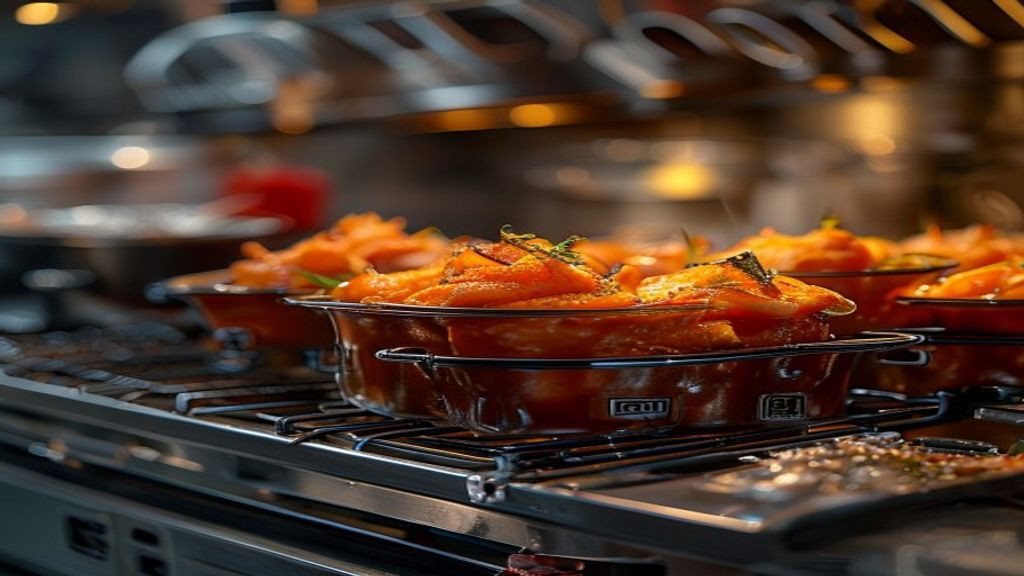
Henny Penny fryers are a staple in high-volume kitchens that need consistent fried chicken, sides, and other menu items with repeatable results. If you are a restaurant owner, kitchen manager, or equipment buyer, the right model affects labor, oil life, food quality, and how many orders you can push during peak hours. For more background, see Learn more about henny penny fryers.
This guide from Henny Penny Fryer Guides walks through how to compare commercial Henny Penny pressure fryers and open fryers using practical criteria: capacity, fuel type, controls, cleaning routines, and real-world throughput—without relying on unverified model claims.
Use it to shortlist equipment that fits your menu, staffing, and service style before you request quotes or schedule a demo.
What Makes Henny Penny Fryers a Commercial Choice
Henny Penny is widely known for pressure frying equipment used in chicken-focused and QSR-style kitchens, along with complementary frying and holding solutions. Pressure fryers cook under sealed pressure, which can shorten cook times and help retain moisture compared with open-vat frying for many bone-in and breaded items.
Buyers usually evaluate Henny Penny fryers for durability in daily service, ease of training for new staff, and how well the controls support standardized cook cycles. The best fit depends less on brand reputation alone and more on whether the unit matches your ticket volume, product mix, and kitchen footprint.
Pressure fryers vs. open fryers
Pressure fryers are often chosen for fried chicken and similar products where moisture retention and cycle consistency matter. Open fryers are typically better for fries, tenders, appetizers, and mixed baskets where flexibility and visibility into the oil matter more. Many operations run both: a Henny Penny pressure fryer for signature chicken and open fryers for high-mix sides.
Where these fryers fit in the line
Place fryers near breading stations, holding cabinets, and plating to reduce steps during rushes. Confirm hood coverage, clearances, and oil handling paths so filtration and dump procedures do not block service aisles.
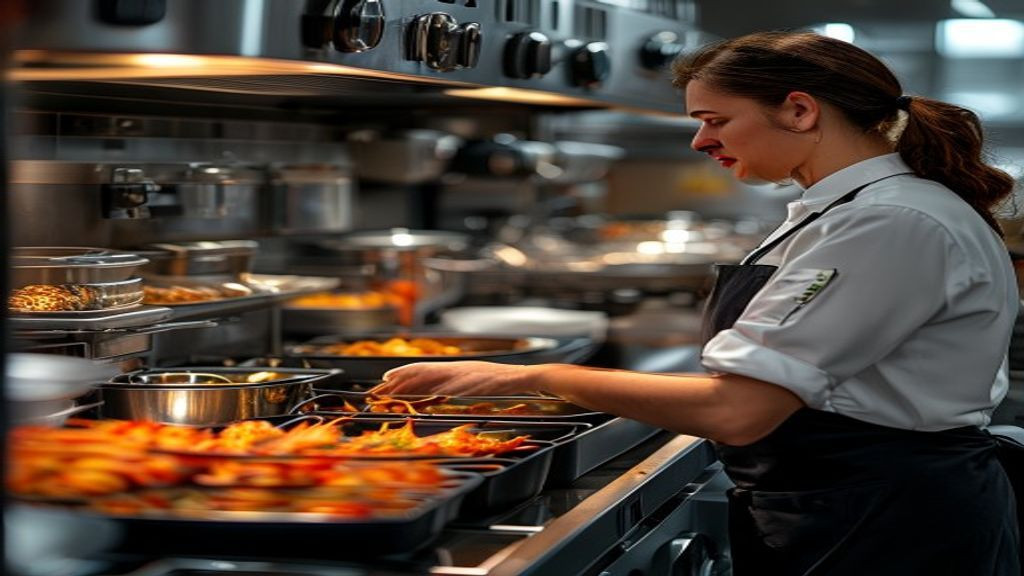
How to Compare Capacity, Fuel Type, and Throughput
Capacity should be judged by load size and cycle time together, not vat volume alone. Ask vendors for recommended load weights for your core products and how many full cycles you can realistically complete per hour with your staffing and recovery time.
Fuel type—typically electric or gas, depending on the model and market—affects install cost, utility availability, and recovery under heavy use. Confirm what your site can support before you fall in love with a specific configuration.
Capacity and menu fit
Match fryer size to your busiest dayparts. A unit that is oversized wastes oil and energy; one that is undersized creates ticket delays and uneven quality when cooks overload baskets. Build your estimate from your top sellers and peak 15-minute order spikes.
Throughput in real service
Throughput depends on cook time, load recovery, staging space, and holding capacity—not just the fryer. Factor in breading speed, filtration pauses, and whether staff can stage the next load while the current cycle finishes.
Controls, Cleaning, and Daily Kitchen Reality
Modern commercial fryer controls help standardize cook programs, reduce guesswork, and support training across shifts. Look for clear displays, programmable product buttons, and alarms that staff will actually follow during a rush.
Cleaning and oil care often decide whether a fryer stays productive after the first year. Plan for filtration frequency, crumb management, lid and gasket care on pressure models, and safe cool-down procedures so closing checklists stay realistic.
Controls that support consistency
Prefer controls that let you lock in product-specific cycles and limit accidental changes. Consistent timing and temperature discipline protect food quality and make it easier to compare labor needs across locations.
Cleaning and oil life basics
Follow the manufacturer’s filtration and boil-out guidance for your exact model. Skim debris during service, filter on a set schedule, and monitor oil color and smell. Pressure fryer lids, seals, and deadweight or pressure systems need routine inspection so safety and performance stay intact.
Buying Checklist for Restaurant Owners and Kitchen Managers
Before you purchase Henny Penny fryers, confirm utilities, hood capacity, floor space, and whether your team needs pressure-fryer training. Request a demo with your actual products when possible, and compare warranty, service coverage, and parts lead times in your region.
Also price the full operating picture: oil consumption, filtration supplies, baskets and accessories, holding equipment, and expected labor for daily cleaning. The lowest equipment quote is rarely the lowest cost per finished portion.
Questions to ask dealers and reps
Ask which models suit your primary menu items, recommended load sizes, electric vs. gas options for your building, filtration workflow, typical service response times, and what training is included for managers and line cooks.
Frequently Asked Questions
What are Henny Penny fryers commonly used for?
They are commonly used in commercial kitchens for fried chicken and other high-volume fried menu items, especially where pressure frying helps deliver consistent texture and moisture. Many restaurants also pair them with open fryers for fries and mixed appetizers.
Should I choose a pressure fryer or an open fryer?
Choose a pressure fryer when your core products benefit from sealed, timed pressure cooking and strong cycle consistency. Choose open fryers when you need flexible basket frying for varied sides and snacks. High-volume chicken concepts often need both.
What matters more for throughput: vat size or cook cycle?
Both matter, but usable throughput comes from recommended load size, cook and recovery time, staffing, and holding capacity. A larger vat that is overloaded or poorly staged can produce fewer quality portions per hour than a correctly sized, well-run fryer.
How often should commercial fryer oil be filtered?
Filter on a schedule based on your volume and product breading load, and follow the guidance for your specific Henny Penny model. High-volume kitchens often filter multiple times per day; lighter use may need less frequent filtration, but skim debris throughout service either way.
What should buyers verify before installing Henny Penny fryers?
Verify gas or electrical service, hood and fire-suppression coverage, clearances, floor space for doors and lids, oil handling and disposal workflow, and local code requirements. Also confirm operator training, especially for pressure fryer safety procedures.
Are Henny Penny fryers only for large chains?
No. Independent restaurants, caterers, and multi-unit operators all use commercial Henny Penny equipment when fried chicken or similar items are central to the menu. The right model depends on volume and workflow, not brand alone.
Conclusion
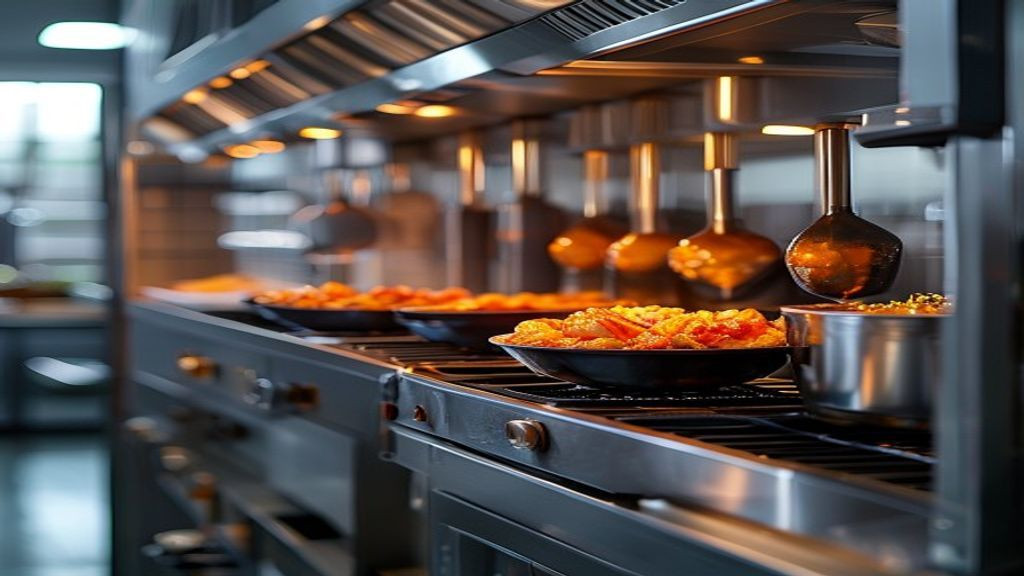
Choosing Henny Penny fryers starts with your menu, peak throughput, utilities, and how your team will cook, filter, and clean every day. Focus on capacity that matches real loads, controls that enforce consistency, and a maintenance routine your staff can sustain.
Next, list your top fried items and peak-hour volume, then compare dealer demos side by side. Henny Penny Fryer Guides recommends validating cook quality with your recipes before you buy, so the fryer you install supports both food standards and service speed.
Looking for a ready-to-order option? Explore this henny penny fryers on HorecaStore.


Comments
Post a Comment