Henny Penny Fryer for Sale: Buyers Guide
Henny Penny Fryer for Sale: What Buyers Should Compare First
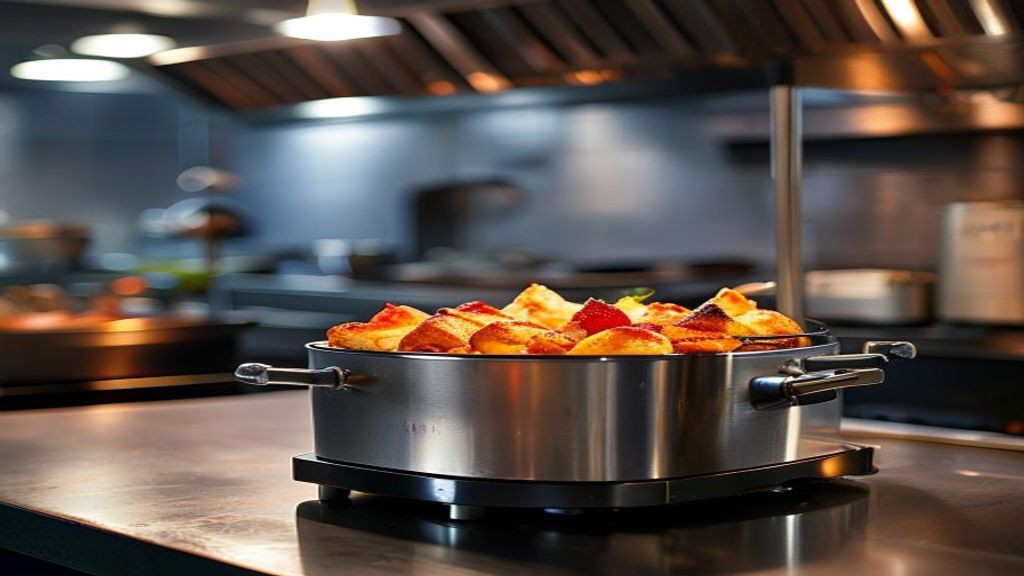
If you are searching for a Henny Penny fryer for sale, you are likely weighing more than price. Restaurant owners, kitchen managers, and equipment buyers need a unit that matches menu volume, available utilities, staff skill level, and daily cleaning routines. Henny Penny is widely known for commercial pressure fryers and related frying systems used in high-volume kitchens. Before you commit, compare capacity, fuel type, controls, filtration, and expected throughput so the fryer supports service peaks instead of creating bottlenecks. This guide walks through practical buying criteria so you can evaluate new and used listings with clearer specs, fewer surprises, and a stronger return on kitchen floor space. For more background, see Learn more about henny penny fryer for sale.
What to Check Before Buying a Henny Penny Fryer
A Henny Penny fryer for sale listing should clearly state fryer type, vat or well capacity, fuel source, and control package. Treat missing details as a red flag: ask the seller for model number, serial number, age, service history, and whether the unit has been reconditioned.
Focus on fit for your menu. Pressure fryers are often chosen for products that benefit from sealed cooking, while open fryers are common for high-turnover baskets of fries, chicken pieces, and other breaded items. Match the machine to your busiest day-part, not only average volume.
Capacity and throughput
Capacity is usually discussed in pounds per load or number of heads or baskets per cycle, but throughput also depends on recovery time, basket handling, and how often you filter oil. Ask how many loads you can realistically run during a lunch or dinner rush, including loading, cooking, dumping, and staging.
If you sell pressure-fried chicken or similar core items, estimate peak orders per hour and work backward to required cook cycles. A larger vat that sits half empty can waste oil and energy; an undersized unit forces double cooking and longer ticket times.
Fuel type and kitchen utilities
Confirm whether the fryer is electric or gas, then verify your kitchen can support it: voltage and amperage for electric models, or gas type, BTU demand, and ventilation for gas. Utility mismatches are a common reason a deal becomes an expensive install.
Also check footprint, clearance, and hood coverage. A Henny Penny fryer for sale is only a good buy if it can be installed safely, pass local codes, and leave staff enough aisle space to work without spill risk.

Controls, Oil Management, and Daily Cleaning
Modern commercial fryers vary widely in control sophistication. Some kitchens prefer simple programmable timers and temperature set points; others want multi-product programs that reduce training time and cook variance between shifts.
Oil quality drives food taste and cost. Look for easy filtration access, drain design, and whether the model supports a built-in or compatible filter system. Poor oil handling raises scrap rates and shortens oil life, which can erase any discount on the equipment itself.
What good controls should help you do
Useful controls help operators hold target temperature, run consistent cook times, and switch between menu items without guesswork. Ask whether programs are locked for managers, how easy it is to recalibrate, and whether replacement parts or boards are still supported for that model generation.
If buying used, test every button, probe reading, and alarm if possible. Inconsistent temperature control is one of the fastest ways to create greasy product, underdone centers, or burned breading during rush periods.
Cleaning and serviceability
Daily cleaning should be realistic for your closing team: accessible oil drain, wipeable exteriors, removable baskets or racks, and clear guidance for boil-out or manufacturer-approved cleaning methods. Hard-to-reach cold zones and awkward lids slow labor and lead to skipped steps.
Ask about gasket condition on pressure models, lid seals, filtration components, and recent service notes. A clean, well-maintained used Henny Penny fryer for sale with documented care often outperforms a neglected unit sold at a lower sticker price.
New vs Used: How to Compare Listings Fairly
New equipment usually offers warranty coverage, current parts availability, and predictable install support. Used or refurbished units can lower upfront cost if inspected carefully and priced against remaining service life.
Compare total cost of ownership, not only purchase price: delivery, install, hood and utility work, baskets, filtration media, startup oil, staff training, and expected downtime. A cheaper fryer that cannot keep up at peak service is not a savings.
Questions to ask every seller
Request the exact model number, manufacture or install year, reason for sale, hours or duty level if known, and photos of the data plate, vat interior, controls, and filtration area. Ask whether the fryer was used for chicken, fish, or mixed menus, since oil residue and odor carryover matter.
For pressure fryers, specifically ask about lid operation, lock mechanisms, and recent seal or gasket replacement. For any Henny Penny fryer for sale, get clarity on return policy, freight damage terms, and whether startup help is included.
When a listing is worth pursuing
Pursue listings that match your fuel type, capacity needs, and cleaning workflow, and that include transparent condition notes. Prefer sellers who can demonstrate a heat-up cycle, stable temperature, and normal drain and filter operation.
Walk away from vague ads, heavily corroded vats, damaged lids, unexplained error codes, or units that require major utility upgrades your site cannot support. Strong buying discipline protects food quality and kitchen uptime.
Buying Checklist for Restaurant and Commissary Kitchens
Before you finalize a Henny Penny fryer for sale purchase, align the equipment choice with menu mix, peak throughput, staffing, and oil-care habits. Write down must-have specs so sales calls stay focused.
Then stage the install plan: hood readiness, utilities, placement, training, and first-week product testing. A structured handoff helps managers protect consistency from day one.
Practical next steps
Shortlist two or three candidate models or listings, compare capacity and utilities side by side, and verify parts and service access in your area. If possible, cook a sample product or review a live demonstration so you can judge color, texture, and cycle timing yourself.
Once purchased, set written standards for oil filtering, temperature checks, and closing cleaning. The fryer only delivers ROI when operators can run it the same way on every shift.
Frequently Asked Questions
What should I look for in a Henny Penny fryer for sale listing?
Look for the exact model number, fryer type (pressure or open), capacity guidance, fuel type, control features, filtration setup, condition photos, service history, and clear terms for shipping, returns, and warranty or as-is status.
Is a used Henny Penny fryer a good buy for a busy restaurant?
It can be, if the unit matches your utilities and volume needs and has been inspected for temperature control, lid or seal condition on pressure models, vat integrity, and filtration function. Factor in install costs and remaining service life, not just the asking price.
How do I estimate the capacity I need?
Start with peak-hour order volume for your fried items, then estimate cook cycles required including loading, cooking, and dumping time. Choose capacity that covers rush periods with a buffer, rather than sizing only for average daily sales.
Should I choose gas or electric?
Choose based on what your kitchen can safely support. Electric models need correct voltage and circuit capacity; gas models need the right gas supply, BTU support, and ventilation. The best fuel type is the one your site can install without costly utility surprises.
Why do controls and filtration matter so much?
Controls help staff hold consistent cook times and temperatures across shifts, while filtration and drain design protect oil life and product quality. Weak controls or awkward oil handling usually raise food waste, labor time, and operating cost.
What is the biggest mistake buyers make?
Buying on price alone. A Henny Penny fryer for sale that is undersized, poorly maintained, or incompatible with your utilities can create longer ticket times, higher oil costs, and expensive install or repair work after delivery.

Conclusion
A Henny Penny fryer for sale is worth pursuing when the model, capacity, fuel type, controls, and cleaning workflow match how your kitchen actually runs at peak volume. Use model details and condition evidence to separate strong options from risky bargains. Next, shortlist listings that fit your utilities and throughput goals, confirm service and parts support, and plan install plus staff training before the unit arrives. That approach helps you buy with confidence and protect food quality from the first service rush.
Looking for a ready-to-order option? Explore this henny penny fryer for sale on HorecaStore.


Comments
Post a Comment