Pressure Fryer Henny Penny Buying Guide
Pressure Fryer Henny Penny: What Buyers Need to Know
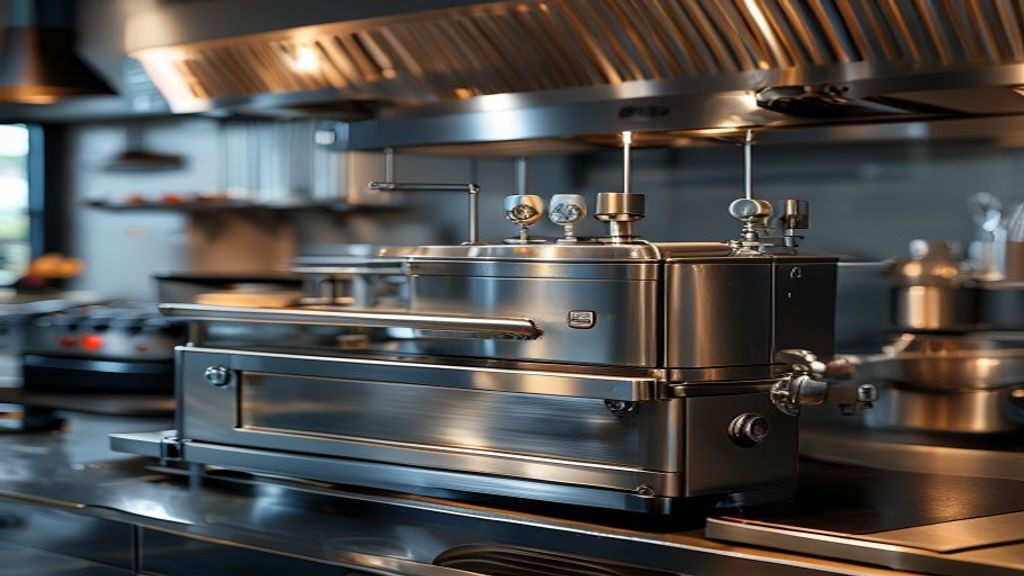
A pressure fryer Henny Penny is a go-to choice for restaurants that need faster cook times, juicier fried chicken, and consistent results under heavy ticket volume. Unlike open fryers, pressure fryers cook food in a sealed vessel, which can reduce oil absorption and help hold moisture in breaded proteins. For more background, see Learn more about pressure fryer henny penny.
For kitchen managers and buyers, the decision is rarely about brand alone. You need to match capacity, fuel type, controls, cleaning routines, and real-world throughput to your menu, staffing, and peak-hour demand.
This guide walks through practical buying criteria for Henny Penny-style pressure frying so you can compare models, plan workflow, and avoid costly mismatches on the line.
Why Operators Choose a Pressure Fryer Henny Penny
Commercial kitchens choose pressure frying when fried chicken, tenders, and similar items drive a large share of sales. Sealed cooking can shorten cycle times versus open frying for many breaded products, which helps when lunch rushes stack up and you need predictable recovery between batches.
Henny Penny has long been associated with pressure frying in QSR and full-service chicken concepts. Buyers typically evaluate the brand for build quality, service networks, and fryer programs that support high-volume poultry menus—not for novelty features.
Throughput and product quality
Throughput depends on basket or well capacity, cook time for your recipes, and how quickly oil recovers temperature between drops. Pressure frying often helps operators deliver moist interiors with crisp coating when recipes and oil management are dialed in. Ask vendors for cook-time ranges for your specific products rather than relying on generic claims.
Where pressure frying fits best
Pressure fryers shine in chicken-forward concepts, catering kitchens, and multi-unit ops that standardize recipes. If your menu is mostly fries, appetizers, or light frying, an open fryer may be a better primary tool—and some kitchens run both.

Capacity, Fuel Type, and Controls to Compare
Start with how much finished product you need per hour at peak, then work backward to well size and number of units. Undersizing forces overlapping batches and oil temperature swings; oversizing wastes energy, floor space, and oil volume.
Confirm utility availability early. Electric and gas options are common in commercial pressure frying, but your site’s electrical service, gas line capacity, ventilation, and local codes will narrow the field before you ever compare control panels.
Capacity planning without guesswork
Estimate pieces or pounds per drop for your core SKUs, then multiply by realistic cycles per hour after accounting for loading, draining, and holding. Include a buffer for catering spikes or weekend volume. If you run dual wells or multiple cabinets, plan staging so one unit can cook while another holds or finishes.
Controls and staff usability
Look for programmable cook cycles, clear temperature and pressure readouts, and alarms that reduce guesswork for new cooks. Recipe presets help multi-unit consistency. Also check lockouts, safety interlocks, and whether service techs can access diagnostics without long downtime.
Cleaning, Oil Life, and Daily Kitchen Workflow
A pressure fryer only pays off if the crew can clean it safely and keep oil in good condition. Factor lid seals, filtering access, crumb management, and how long a full breakdown takes after close. Equipment that is hard to clean often gets neglected—and neglected oil ruins product fast.
Build a written daily and weekly checklist: skim and filter on schedule, verify gasket condition, check pressure-related safety points per manufacturer guidance, and log oil quality. Training matters as much as hardware.
Oil management that protects flavor and cost
Use the oil type and filtering frequency recommended for your volume and product mix. Breaded chicken sheds crumbs that accelerate oil breakdown, so filtering discipline and proper cook temperatures protect both taste and cost per portion. Track oil changes by quality indicators, not calendar alone.
Service, parts, and uptime
Before you buy, confirm local service coverage, lead times for common wear parts (gaskets, filters, probes), and warranty terms. Ask current operators about real downtime experiences. A reliable parts path often matters more than a slightly lower equipment quote.
Buying Checklist for Restaurant Owners and Kitchen Managers
Treat the purchase like a production decision. Align the pressure fryer Henny Penny choice with menu mix, peak tickets per hour, available utilities, hood capacity, and the skill level of your line team.
Request demos or site references when possible, compare total cost of ownership (energy, oil, filters, labor, service), and document install requirements with your facilities partner before you sign.
Questions to ask every dealer
Ask for capacity guidance tied to your recipes, fuel and venting requirements, programmable control options, recommended cleaning and filtering workflow, training support, and estimated cook cycles for your top sellers. Get lead times and install scopes in writing.
Frequently Asked Questions
What is a pressure fryer Henny Penny used for?
It is primarily used for high-volume fried chicken and similar breaded proteins. Pressure frying cooks in a sealed vessel, which many operators use to improve moisture retention and support faster, more consistent cook cycles than open frying alone.
How is a pressure fryer different from an open fryer?
An open fryer cooks at atmospheric pressure with the food exposed in hot oil. A pressure fryer seals the cooking chamber so pressure builds during the cycle, which can change cook time and finished texture. Many kitchens still keep open fryers for fries and appetizers.
What should I check for capacity and throughput?
Estimate peak hourly demand for your main fried items, then match well or basket capacity and realistic cycles per hour—including loading, draining, and recovery time. Ask for guidance based on your actual recipes, not generic marketing numbers.
Electric or gas: which fuel type is better?
Neither is universally better. Choose based on your building utilities, energy costs, hood and makeup-air setup, and local code. Confirm available amperage or gas supply before you shortlist models.
How often should I clean and filter a commercial pressure fryer?
Follow the manufacturer’s schedule and tighten it for heavy breaded chicken volume. Most high-volume kitchens filter oil multiple times per day and perform deeper cleaning on a set closing routine, with gasket and safety checks included.
What else affects total cost beyond the equipment price?
Oil usage, filters, energy, labor for cleaning, preventive maintenance, parts, and potential downtime all affect ownership cost. Factor install, ventilation, and staff training into the budget as well.
Conclusion
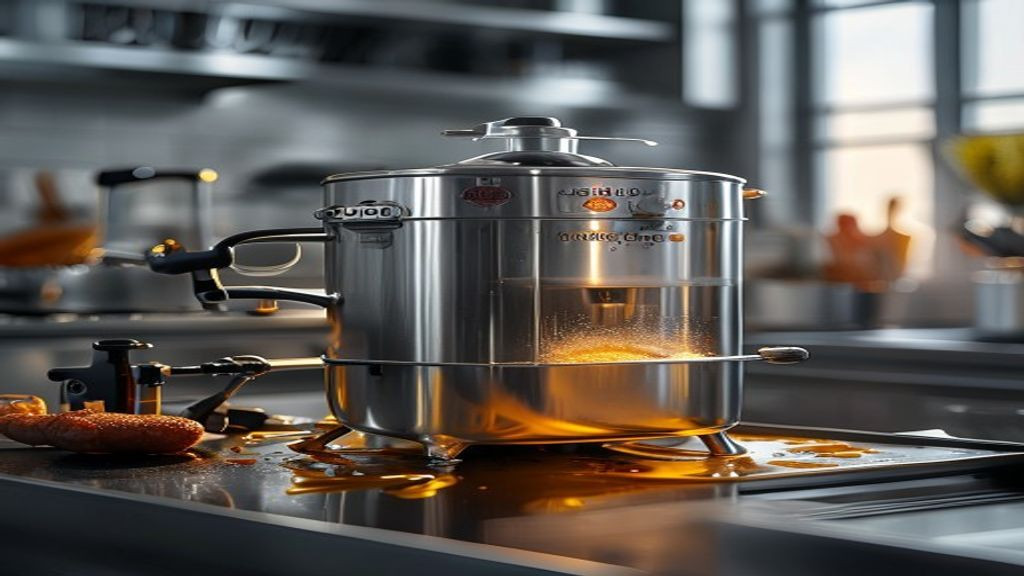
Choosing a pressure fryer Henny Penny works best when you treat it as a production system: capacity, fuel, controls, cleaning, and throughput must fit your real menu and rush periods. Skip vague claims and compare equipment against your tickets-per-hour, utilities, and labor plan.
Next, list your peak products, confirm site utilities, and request dealer quotes that include install scope, training, and service terms. A clear checklist now prevents expensive surprises after the fryer hits the line.
Looking for a ready-to-order option? Explore this pressure fryer henny penny on HorecaStore.


Comments
Post a Comment