Henny Penny 8000 Buyer Guide for Kitchens
Henny Penny 8000: What Restaurant Buyers Should Know
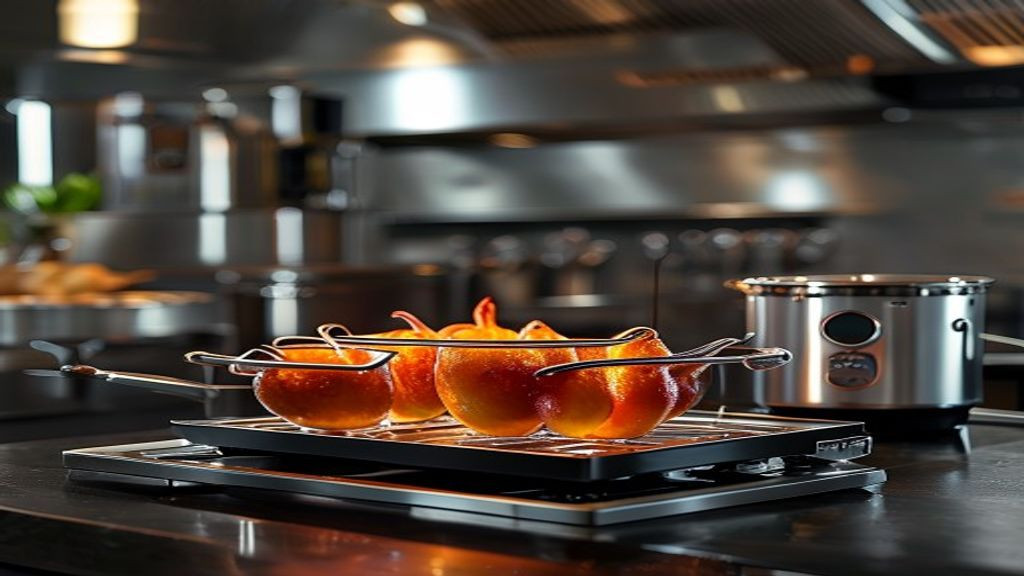
If you are researching the Henny Penny 8000, you are likely comparing commercial pressure fryers for fried chicken, bone-in pieces, or high-volume menu items that need consistent results. Henny Penny equipment is widely used in QSR and full-service kitchens where throughput, product quality, and operator training all matter. For more background, see Learn more about henny penny 8000.
This guide from Henny Penny Fryer Guides is written for restaurant owners, kitchen managers, and equipment buyers. It focuses on practical decision points—capacity, fuel type, controls, cleaning, and real-world throughput—without relying on unverified model claims.
Use it to build a shortlist, ask better questions of dealers, and match the Henny Penny 8000 (or a comparable Henny Penny pressure fryer) to your menu mix and service peaks.
What Buyers Mean by Henny Penny 8000
Search interest around the Henny Penny 8000 usually points to commercial pressure frying rather than a casual open-vat fryer. Pressure fryers cook under sealed pressure, which can shorten cook times for bone-in poultry and help retain moisture when procedures are followed correctly.
Before you purchase, confirm the exact model designation with the manufacturer or an authorized dealer. Naming conventions, configuration options, and regional availability can differ, so treat “8000” as a research starting point and verify the spec sheet for the unit you will actually install.
Pressure fryer vs. open fryer
Open fryers suit fries, breaded appetizers, and many a la carte items. Pressure fryers are often chosen when chicken and similar products need repeatable cook cycles and higher piece throughput per basket load. Many kitchens run both, so map which SKUs will live on pressure vs. open vats.
Confirm configuration before you quote
Ask for the current brochure or cut sheet: basket/load guidance, utility requirements, control type, filtration options, and footprint. Pricing and lead times should be tied to that documented configuration, not a generic keyword alone.

Capacity, Fuel Type, and Kitchen Fit
Capacity is less about a single headline number and more about how many pieces or pounds you can cook per cycle and how many cycles you need during peak. Match load size to your busiest 15–30 minutes, not only average daily volume.
Fuel type is a site decision: electric units need adequate electrical service; gas units need proper gas supply, ventilation planning, and local code compliance. Measure doorways, aisle clearance, hood coverage, and utility stub-outs before you finalize a Henny Penny 8000 or comparable model.
Sizing for peak throughput
Estimate pieces per order, concurrent tickets, and recovery time between loads. A fryer that looks fine at lunch average may bottleneck during dinner rushes or catering pulls. Plan for staging, holding, and dump-station workflow around the fryer.
Utilities and ventilation checklist
Verify amperage or BTU needs, cord/plug or hardwire requirements, gas connection size, and hood capture. Involve your facilities partner early so installation delays do not wipe out the labor savings you expect from faster cook cycles.
Controls, Training, and Day-to-Day Operation
Modern commercial fryer controls typically store cook programs, timers, and temperature setpoints so crews can run consistent cycles with less guesswork. For a Henny Penny 8000 evaluation, ask which programs are included, how easy it is to lock recipes, and how operators abort or adjust a cycle safely.
Training should cover loading technique, pressure lid/seal procedures (as applicable), filtering cadence, and shutdown. Consistency comes from process as much as hardware—post cook charts at the station and audit a few peak shifts after install.
What to ask about the control panel
Request a demo of program setup, alarms, and common fault messages. Confirm whether controls support multi-product menus if you cook more than one protein or breading profile on the same unit.
Cleaning, Filtration, and Cost of Ownership
Oil life and cleaning time often decide whether a fryer feels “worth it” after the first month. Clarify filtration method (built-in vs. portable), recommended filter media, and how long a typical filter cycle takes during service.
Daily and weekly cleaning should be realistic for your labor model: exterior wipe-down, vat care per manufacturer guidance, lid/gasket inspection where pressure systems apply, and scheduled deeper cleans. Budget oil, filters, gaskets, and preventive maintenance—not only the equipment invoice—when comparing the Henny Penny 8000 against alternatives.
Throughput and oil quality together
High throughput without solid filtration and skimming habits shortens oil life and hurts product color. Pair your volume plan with a filtering schedule that crews can actually keep during rush, not only during slow periods.
Service parts and support
Ask about authorized service coverage, typical wear parts, and warranty terms for the exact configuration. Downtime on a primary chicken fryer is expensive; local support can matter as much as feature lists.
How to Compare Quotes Side by Side
Build a simple scorecard: documented capacity guidance, fuel/utility fit, control usability, filtration and cleaning time, footprint, warranty, install inclusions, and total cost of ownership. Keep the Henny Penny 8000 keyword on your research list, but decide from the cut sheet and a live or video demo.
Involve the people who will cook on it—kitchen managers and lead cooks—before you sign. Their feedback on basket handling, lid ergonomics, and filtering steps will surface issues a brochure will not.
Next steps for buyers
Request current specifications, utility drawings, and a references call with a similar-volume operator. Pilot menu items on a demo unit when possible, then lock training and oil-management SOPs before opening day or cutover.
Frequently Asked Questions
What is the Henny Penny 8000 used for?
Buyers typically research the Henny Penny 8000 in the context of commercial pressure frying for high-volume fried chicken and similar menu items. Confirm the exact model and intended use on the manufacturer or dealer spec sheet for the unit you plan to buy.
Is the Henny Penny 8000 a pressure fryer or an open fryer?
Henny Penny is known for commercial pressure fryers as well as other frying equipment. Because naming and configurations vary, verify whether the specific 8000 configuration you are quoting is a pressure model and what accessories are included.
What capacity should I look for when evaluating a Henny Penny 8000?
Size to peak demand: pieces or pounds per cycle, cycles needed during your busiest window, and recovery between loads. Avoid choosing only from average daily volume or an unverified capacity claim.
Should I choose gas or electric for a Henny Penny 8000-style fryer?
Choose based on available utilities, hood design, energy costs, and local codes. Electric needs sufficient electrical service; gas needs proper supply and ventilation planning. Your dealer or facilities partner should validate site readiness.
How important are controls and cleaning when comparing models?
Very. Programmable controls improve consistency across shifts, while filtration and cleaning routines drive oil life, product quality, and labor minutes. Ask for a hands-on demo of cook programs and a typical filter/clean workflow.
What should I request before purchasing?
Ask for the current cut sheet, utility requirements, warranty details, filtration options, install scope, lead time, and authorized service contacts. Compare at least two configurations with the same menu assumptions so quotes are apples-to-apples.

Conclusion
The Henny Penny 8000 search is a smart starting point if you need commercial pressure-fryer performance for chicken-focused or high-throughput menus. Treat published marketing names carefully, and ground your decision in verified capacity guidance, fuel fit, controls, cleaning time, and service support.
Next, pull the official spec sheet, walk your kitchen for utilities and clearance, and run a side-by-side quote review with your kitchen manager. Henny Penny Fryer Guides recommends deciding from documented specs and a real workflow demo—not from the keyword alone.
Looking for a ready-to-order option? Explore this henny penny 8000 on HorecaStore.


Comments
Post a Comment