Henny Penny Electric Fryer Buying Guide
Henny Penny Electric Fryer: A Practical Buying Guide
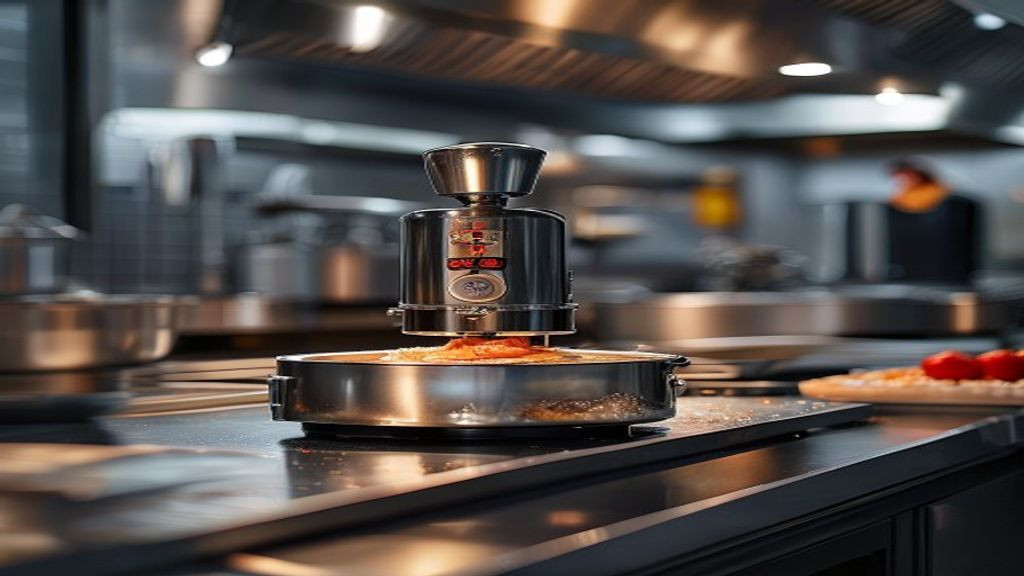
A Henny Penny electric fryer is a commercial cooking appliance designed for high-volume fried foods in restaurants, QSR kitchens, and institutional foodservice. Electric models appeal to buyers who want precise temperature control, cleaner fuel logistics than gas, and easier placement where gas lines are limited or restricted. For more background, see Learn more about henny penny electric fryer.
If you are comparing commercial fryers—or weighing an electric open fryer against a Henny Penny pressure fryer—focus on real kitchen needs: oil capacity, power requirements, controls, cleaning workflow, and peak-hour throughput. Specs vary by model and generation, so always verify details against the manufacturer’s current documentation before you purchase.
This guide from Henny Penny Fryer Guides walks kitchen managers and buyers through the decision points that matter on the line, without invented product numbers or unverified claims.
What a Henny Penny Electric Fryer Is Built to Do
Henny Penny is widely known for commercial frying equipment, including open fryers and pressure fryers used for chicken and other high-demand menu items. An electric fryer in this category uses electric heating elements to bring oil to set temperatures and hold them during service.
For restaurant owners, the practical question is not brand lore—it is whether an electric unit fits your menu volume, electrical service, oil management habits, and staffing. Buyers comparing a Henny Penny electric fryer to gas fryers or pressure fryers should map each option to ticket times, product consistency, and facility constraints.
Electric vs. gas in a commercial kitchen
Electric fryers eliminate on-site combustion and can simplify ventilation planning in some sites, but they require adequate electrical capacity, breakers, and often dedicated circuits. Gas units may suit kitchens with existing gas infrastructure and high continuous heat demand; electric units often win on temperature stability and placement flexibility when power is available.
Open fryer vs. Henny Penny pressure fryer
Open electric fryers are typically used for a broad mix of fried items. Pressure fryers cook under sealed pressure, which many operators choose for chicken programs that need faster cook cycles and moist results. Your menu mix—not marketing language—should decide which category you shortlist.

Capacity, Throughput, and Controls Buyers Should Compare
Capacity is usually discussed in terms of oil volume and basket or load size. Higher oil capacity can support larger batches, but only if your recovery time, staffing, and staging space keep up. Throughput depends on batch size, cook time, recovery between drops, and how consistently staff follow load guidelines.
Controls matter as much as tank size. Look for clear temperature displays, programmable cook cycles or product timers where available, and interfaces your team can run during a rush without constant manager oversight. Confirm which features are standard on the specific Henny Penny electric fryer model you are quoting.
Match capacity to peak service, not average days
Size the fryer for your busiest hour, including hold times and double-batch scenarios. Undersizing creates bottlenecks; oversizing can waste oil, energy, and footprint. Ask vendors for real-world guidance based on your menu items and drop frequency rather than relying on a single capacity number.
Evaluate controls for consistency and training
Programmable settings, timers, and alarms help new hires hold product quality closer to your standards. If your operation already uses Henny Penny pressure fryers, check whether control logic and training materials transfer in a way that reduces mistakes across stations.
Power, Installation, Cleaning, and Daily Ownership Costs
Before you buy a Henny Penny electric fryer, have an electrician or facilities partner confirm available voltage, amperage, phase, and receptacle type for the model under consideration. Incorrect power planning is one of the most common causes of delayed installs and unexpected costs.
Cleaning and oil care drive food quality and operating expense. Plan for filtration frequency, fryer shutdown and cool-down time, accessible heating elements or tanks for scrubbing, and safe handling of hot oil. A unit that is hard to clean will not stay consistent in a busy kitchen, regardless of brand reputation.
Installation and facility checklist
Confirm hood coverage, clearance, floor space, drain access for oil disposal where used, and local code requirements. Electric fryers still need proper ventilation for grease-laden vapors. Coordinate delivery dimensions with doorways and aisle widths so the unit can actually reach the cookline.
Cleaning, filtration, and oil life
Build a written oil schedule: skim during service, filter on a set cadence, and change oil based on quality—not only calendar days. Follow Henny Penny’s cleaning guidance for your model, train staff on cool-down and PPE, and track oil cost per pound of product so buyers can see the true cost of ownership.
How to Choose the Right Henny Penny Electric Fryer for Your Operation
Start with menu priorities: fried chicken specialists often evaluate pressure frying; multi-item menus may lean toward open electric frying with flexible baskets and timers. Next, list constraints—power, hood, footprint, and labor—then request current cut sheets, warranties, and service coverage for your region.
Compare quotes on more than price. Include installation, filtration accessories, baskets, training, parts availability, and expected cook times for your top SKUs. A practical side-by-side scorecard keeps kitchen managers and owners aligned when several commercial fryer options look similar on paper.
Questions to ask the dealer or manufacturer
Ask for confirmed oil capacity, electrical requirements, recovery expectations for your products, recommended filtration workflow, available warranties, and authorized service partners near your locations. Request demonstration cook times with your recipes when possible so throughput claims are grounded in your food, not generic examples.
Frequently Asked Questions
What is a Henny Penny electric fryer used for?
It is a commercial electric fryer used to cook high-volume fried menu items with electric heat. Operators typically choose it when they need consistent oil temperature control and have suitable electrical service for a commercial kitchen.
How is a Henny Penny electric fryer different from a Henny Penny pressure fryer?
An electric open fryer cooks food in open oil, which suits a wide range of fried items. A pressure fryer seals the cooking vessel and cooks under pressure, a setup many kitchens use for chicken programs that need faster cycles and moist results. Confirm which category matches your menu before buying.
What should I check before installing a Henny Penny electric fryer?
Verify voltage, amperage, phase, and receptacle compatibility; confirm hood coverage and clearances; plan oil filtration and disposal; and review local codes. Have facilities or an electrician validate the site against the model’s installation requirements.
How do I estimate throughput for a commercial electric fryer?
Throughput depends on batch size, cook time, oil recovery between drops, and staffing. Use your peak-hour ticket mix to model drops per hour, then ask the dealer for guidance based on your products rather than assuming capacity alone equals speed.
What cleaning practices keep a Henny Penny electric fryer performing well?
Skim debris during service, filter oil on a consistent schedule, follow the manufacturer’s cleaning procedures for your model, and change oil when quality declines. Train staff on cool-down, PPE, and safe oil handling so cleaning is done thoroughly without safety shortcuts.
Is an electric fryer better than gas for restaurants?
Neither is universally better. Electric fryers can offer precise control and simpler fuel logistics when electrical capacity is available. Gas may fit kitchens with strong gas infrastructure and continuous high demand. Choose based on utilities, ventilation, menu volume, and total cost of ownership.
Conclusion
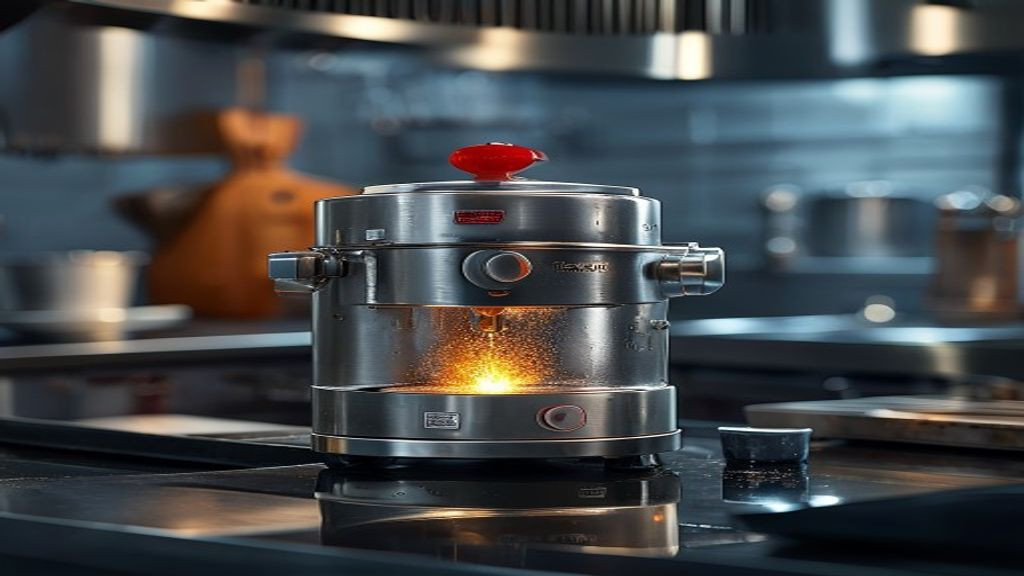
Choosing a Henny Penny electric fryer comes down to fit: menu, peak throughput, electrical service, controls your team can run, and a cleaning routine you will actually keep. Treat capacity and cook speed as linked to recovery and staffing, not as standalone marketing claims.
Next, pull current model cut sheets, confirm site power and hood readiness, and score quotes against installation, filtration, warranty, and service. Henny Penny Fryer Guides recommends verifying every specification with the manufacturer or an authorized dealer before you sign a purchase order.
Looking for a ready-to-order option? Explore this henny penny electric fryer on HorecaStore.


Comments
Post a Comment