Henny Penny Deep Fryer Buying Guide for Kitchens
Henny Penny Deep Fryer Guide for Restaurant Buyers
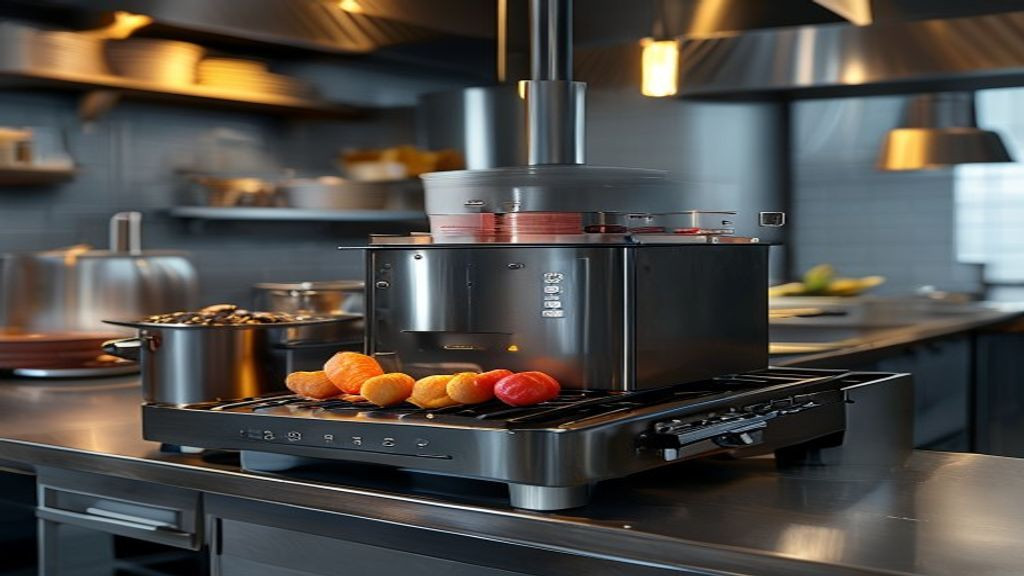
Choosing a Henny Penny deep fryer is less about brand loyalty and more about matching fryer type, capacity, and workflow to your menu. Restaurant owners, kitchen managers, and equipment buyers usually weigh pressure fryers against open fryers, then narrow options by fuel type, basket layout, and how fast the line needs to recover during peak service. For more background, see Learn more about henny penny deep fryer.
Henny Penny is widely known for commercial pressure frying as well as open-vat frying equipment used in high-volume kitchens. The right unit should support consistent product quality, predictable oil life, and a cleaning routine your staff can actually keep up with.
This guide walks through practical comparison points—capacity, fuel, controls, cleaning, and throughput—so you can evaluate models against real kitchen demands without relying on vague marketing claims.
What a Henny Penny Deep Fryer Is Built to Do
A Henny Penny deep fryer is commercial kitchen equipment designed for repeatable frying at restaurant volume. Depending on the line, that may mean an open fryer for fries, tenders, and mixed à la carte items, or a pressure fryer tuned for chicken and other products that benefit from sealed, pressurized cooking.
Pressure frying and open frying solve different service problems. Pressure fryers typically help kitchens cook thicker proteins more evenly with less surface drying, while open fryers favor flexibility, visibility, and faster basket changes across varied menu items. Start by mapping your core fried SKUs before you compare cabinets and controls.
Pressure fryer vs. open fryer for your menu
If fried chicken or similar bone-in or breaded proteins drive sales, a Henny Penny pressure fryer is often the better primary station. If your board is broader—fries, appetizers, seafood, and rotating specials—an open fryer (or a split of both) usually supports better daypart flexibility and staging.
Where buyers usually go wrong
Many purchases fail because capacity is judged only by vat size, not by recovery under load, hold times, and cleaning labor. A fryer that looks big on paper can still bottleneck a line if oil temperature drops hard during rushes or if filtration is too slow for your shift pattern.
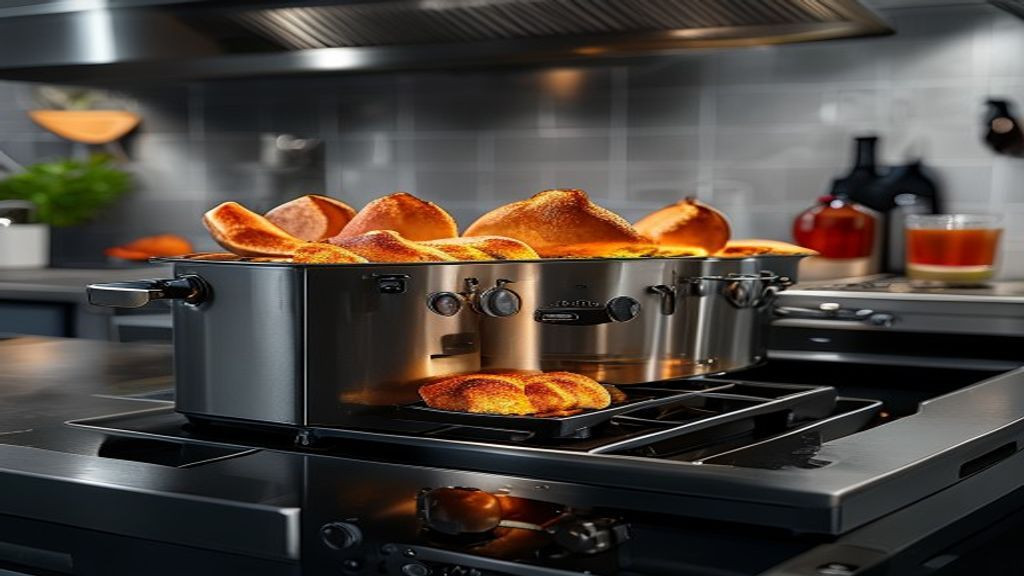
Capacity, Fuel Type, and Throughput Checklist
Capacity should be read as usable production per hour, not just oil volume. Ask vendors for recommended load sizes, cook-cycle ranges for your products, and how many baskets or loads the station can turn during your busiest 60–90 minutes.
Fuel type is the next hard filter. Electric models can simplify installation where gas is limited, while gas units are common where kitchens already have the infrastructure and want strong recovery for continuous frying. Confirm electrical service, gas line capacity, ventilation needs, and clearances before you lock a SKU.
How to estimate real-world throughput
Build a simple rush model: peak orders per hour, pieces or ounces per order, cook time, and dump-and-reload time. Then add buffer for breading, holding, and oil filtration. If your calculated loads exceed what one station can sustain, plan for a second vat, a dedicated pressure station, or staggered batch cooking—not just a larger single fryer.
Fuel and utilities to verify before purchase
Document voltage/phase for electric units, BTU and gas type for gas units, hood capture requirements, and whether your filtration system is built-in or separate. Also confirm whether staff will need specialized training for pressure lids, locks, and safety interlocks versus standard open-vat operation.
Controls, Oil Management, and Cleaning Reality
Modern commercial controls matter because consistency reduces waste. Look for programmable cook profiles, clear temperature readouts, timers that match your menu matrix, and alarms your crew will actually notice during a rush. The best control package is the one your least experienced closer can run correctly.
Oil life and cleaning drive long-term cost as much as the sticker price. Prioritize easy filtration access, safe drain paths, removable parts that fit your sink or dishwasher rules, and a daily/weekly cleaning sequence that fits labor hours. Poor filtration habits erase the advantage of any premium Henny Penny deep fryer.
Control features that help busy kitchens
Useful features include product-named cook buttons, multi-timer support for staggered baskets, and settings that reduce guesswork between day and night crews. If you run multiple locations, standardize profiles so product quality does not drift from store to store.
A practical cleaning and filtration routine
Set a written cadence: skim continuously, filter on a schedule tied to volume, deep-clean on a fixed weekly plan, and track oil changes by quality indicators your managers agree on. Train staff on cool-down, drain safety, and gasket or lid care for pressure units so downtime stays planned instead of emergency-driven.
How to Compare Models Before You Buy
Treat the buying process like a kitchen ops decision. Compare candidate units side by side on menu fit, capacity under rush, fuel/utility readiness, control usability, filtration workflow, parts availability, warranty coverage, and training support from the dealer.
Ask for a demo or reference site with a similar volume profile when possible. Bring your actual product list, hold times, and staffing model to the conversation so recommendations stay grounded in operations rather than catalog highlights.
Questions to ask dealers and service partners
Request lead times, install requirements, preventive-maintenance intervals, common wear parts, and typical service response in your market. Clarify what is included in startup training, especially for pressure-fryer safety and daily filtration.
Frequently Asked Questions
What should I look for first in a Henny Penny deep fryer?
Start with menu fit—pressure versus open frying—then confirm capacity for your peak hour, fuel and utility compatibility, and whether your team can run filtration and cleaning without slowing service.
Is a Henny Penny pressure fryer better than an open fryer?
Neither is universally better. Pressure fryers are often preferred for high-volume chicken and similar proteins, while open fryers are usually stronger for mixed menus that need flexible basket cooking throughout the day.
How do I judge fryer capacity without fake specs?
Use your own rush math: orders per hour, portion size, cook time, and reload time. Ask the seller for recommended load practices for your products, then validate whether one station can keep up or whether you need multiple vats.
Does fuel type change day-to-day performance?
Fuel type mainly affects installation and recovery characteristics in your specific kitchen. Choose based on available utilities, hood capacity, energy costs in your market, and the recovery your menu volume requires.
How important are controls and filtration?
Very. Programmable controls improve consistency across shifts, and disciplined filtration protects oil life, food quality, and operating cost. A fryer that is hard to filter or clean often costs more over a year than a slightly pricier, easier-to-maintain unit.
What next step should buyers take after reading this guide?
Shortlist two or three configurations that match your menu and utilities, then request dealer quotes with install scope, training, warranty terms, and service coverage for your location.
Conclusion
A Henny Penny deep fryer purchase pays off when capacity, fuel type, controls, cleaning labor, and throughput all align with how your kitchen actually runs. Use your peak-hour demand and core fried items as the decision frame, then compare pressure and open options against those realities.
Next, document utilities and staffing constraints, build a short model list, and talk with a qualified dealer or service partner about install, training, and maintenance. That process keeps the buy practical, defensible, and ready for service—not just impressive on a spec sheet.
Looking for a ready-to-order option? Explore this henny penny deep fryer on HorecaStore.


Comments
Post a Comment