Henny Penny Electric Pressure Fryer Buyer Guide
Henny Penny Electric Pressure Fryer: What Buyers Should Know
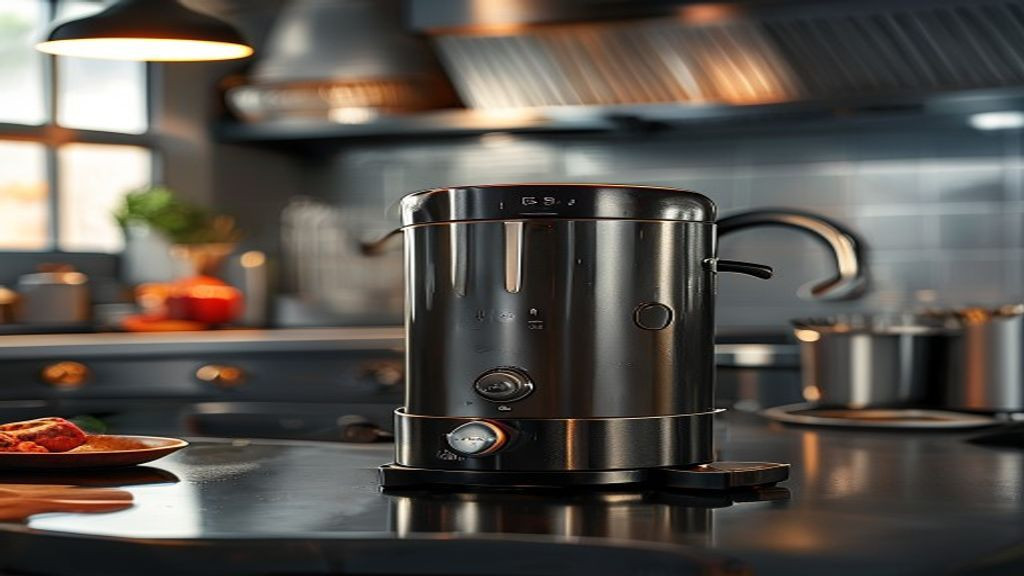
A Henny Penny electric pressure fryer is a common choice for restaurants that need consistent fried chicken and other pressure-fried menu items without relying on gas. For kitchen managers and buyers, the decision is less about brand buzz and more about how the unit fits your power supply, volume, and daily workflow. For more background, see Learn more about henny penny electric pressure fryer.
Pressure frying cooks food under sealed pressure, which can shorten cook times and help retain moisture compared with open frying. Electric models plug into your kitchen’s electrical service instead of a gas line, so site readiness and amperage matter as much as basket size.
This guide from Henny Penny Fryer Guides walks through what to evaluate—capacity, fuel type, controls, cleaning, and throughput—so you can compare options with confidence and avoid buying more (or less) fryer than your line can support.
Why Choose a Henny Penny Electric Pressure Fryer
Commercial kitchens often pick pressure frying when chicken or similar proteins need a crisp exterior and juicy interior at high volume. A Henny Penny electric pressure fryer fits operations that already have strong electrical capacity, limited gas access, or a preference for electric heat in the fry station.
Electric pressure fryers still need the same operational discipline as any commercial fryer: correct oil management, trained staff, and a realistic view of peak-hour demand. The brand’s reputation in QSR and chicken concepts makes it a frequent shortlist item, but you should still match the specific model to your menu and power panel.
Electric vs. Gas Pressure Fryers
Electric units eliminate the need for a gas hookup at the fryer bay, which can simplify remodels or sites where gas is unavailable or costly to extend. They do require adequate circuit capacity, proper outlet configuration, and often dedicated breakers—confirm load with your electrician before you order.
Gas models may appeal where electrical service is limited or energy rates favor gas. Compare total cost of ownership: utility rates, hood and ventilation needs, installation, and local codes. Neither fuel type is universally better; the better choice is the one your building and volume can support.
Where Electric Models Fit Best
Electric pressure fryers work well in kitchens with modern electrical infrastructure, multi-unit chains standardizing on electric equipment, and locations prioritizing consistent electric heat control. They are less ideal if your panel cannot handle the draw or if peak demand would force constant oil recovery delays.

Capacity, Throughput, and Kitchen Fit
Capacity is usually discussed in terms of oil volume and how much product you can cook per cycle, not just the footprint of the cabinet. Ask vendors for per-load guidance for your actual menu items (for example, bone-in chicken pieces) rather than relying on generic marketing language.
Throughput depends on cook time, load size, recovery between batches, and how many fryers you run in parallel. A single Henny Penny electric pressure fryer that is constantly maxed out at lunch may cost more in labor and quality than two properly sized units with breathing room.
Matching Capacity to Peak Demand
Map your busiest hour: how many pieces or pounds you need to serve, average cook cycle length, and how many baskets you can run without oil temperature collapsing. Build in a buffer for training days, rush spikes, and hold times so the fryer is not always at its limit.
Footprint, Ventilation, and Utilities
Measure clearances for lids, doors, and service access. Confirm hood coverage, fire-suppression requirements, and drain or filtration placement. For electric models, document voltage, phase, amperage, and receptacle type early so installation does not delay opening.
Controls, Cleaning, and Daily Operation
Modern commercial pressure fryers typically offer programmable cook cycles, temperature control, and alarms that help reduce overcook and undercook errors. Train staff on lid sealing, pressure release procedures, and when not to open the vessel—safety training is non-negotiable.
Cleaning and oil care drive taste and equipment life. Follow the manufacturer’s guidance for filtration, boil-out or cleaning cycles (as applicable to your model), gasket and lid care, and scheduled maintenance. Skipping filtration to “save time” usually costs more in oil waste and inconsistent product.
Controls That Matter on the Line
Look for clear cook programs your team will actually use, readable displays, and reliable timers. Programmed recipes help when you have multiple chicken sizes or sides, but only if managers lock and document settings so each shift cooks the same way.
Cleaning, Filtration, and Oil Life
Plan filtration into the shift—not as an afterthought. Skim crumbs, filter on schedule, and track oil quality with visual checks and taste tests. Keep spare gaskets and filters on hand; downtime during dinner rush is more expensive than preventive parts.
Buying Checklist for Restaurant Owners and Managers
Before you commit to a Henny Penny electric pressure fryer, get written confirmation of electrical requirements, warranty coverage, service network response times in your area, and what training is included. Ask for a demo cook with your recipes if possible.
Compare not only purchase price but also oil usage, labor for filtration, expected parts (baskets, gaskets, elements), and how the unit integrates with your existing fry station layout. A slightly higher upfront cost can pay off if service support and parts availability keep you online.
Questions to Ask the Dealer
What voltage and amperage does this exact model need? What is typical cook capacity for our chicken sizes? What filtration options are recommended? How fast can a technician reach us? What does the warranty cover on controls, heating elements, and the pressure vessel?
Frequently Asked Questions
What is a Henny Penny electric pressure fryer used for?
It is a commercial pressure fryer powered by electricity, commonly used for fried chicken and other pressure-fried foods in restaurants that need consistent results and strong throughput without a gas connection at the fryer.
Is an electric pressure fryer better than a gas model?
It depends on your site. Electric models suit kitchens with adequate electrical service and limited gas access. Gas may fit better where electrical capacity is constrained. Compare utilities, installation cost, codes, and long-term energy rates for your location.
What should I check before installing an electric pressure fryer?
Confirm voltage, phase, amperage, receptacle type, dedicated breakers, hood and fire-suppression coverage, clearances for the lid and service access, and whether your electrician and local inspector approve the installation plan.
How do I improve throughput with a Henny Penny electric pressure fryer?
Size loads to your real menu, keep oil filtered and at proper temperature, use programmed cook cycles consistently, and add a second fryer or stagger batches if peak demand exceeds one unit’s recovery and cycle capacity.
How often should I filter oil in a commercial pressure fryer?
Follow the manufacturer’s recommendations and your volume. High-volume chicken kitchens typically filter multiple times per day. Watch for dark oil, off flavors, and excessive foaming—those are signs oil needs attention sooner.
What training do kitchen staff need for pressure fryers?
Staff need clear procedures for loading, sealing, pressure cooking, safe pressure release, never forcing a lid open under pressure, filtration, and cleaning. Supervisors should refresh training after staffing changes and before high-volume seasons.
Conclusion
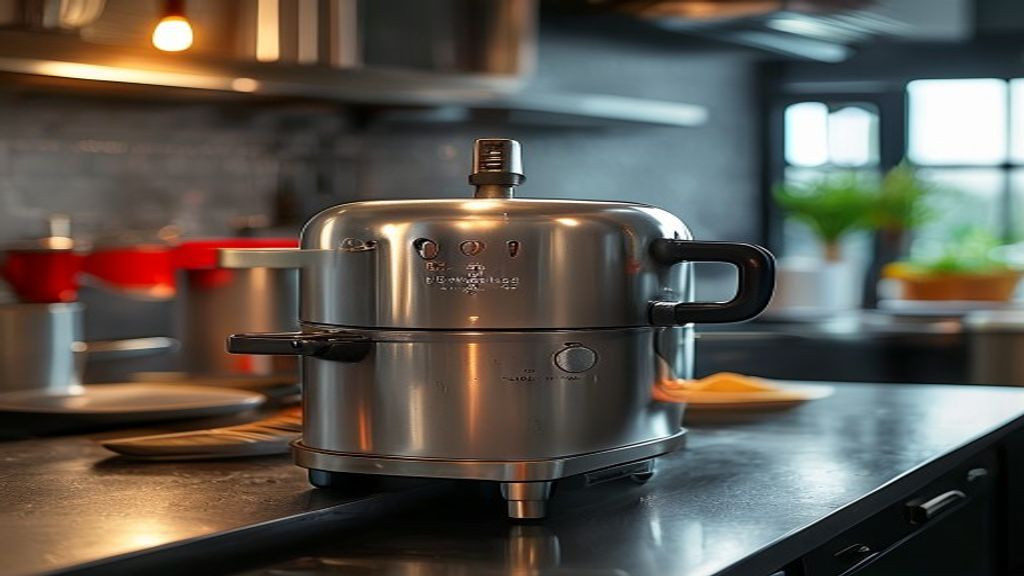
A Henny Penny electric pressure fryer can be a strong fit when your electrical infrastructure, menu, and peak volume line up—and when your team is trained on pressure safety, filtration, and consistent cook programs. Focus on verified utility requirements, realistic capacity, and local service support rather than brochure claims alone.
Next, list your peak-hour demand, confirm panel capacity with an electrician, and request model-specific guidance from a dealer or service partner. Use that shortlist to compare controls, cleaning workflow, and total cost of ownership before you buy.
Looking for a ready-to-order option? Explore this henny penny electric pressure fryer on HorecaStore.


Comments
Post a Comment