Henny Penny Equipment Buying Guide for Fryers
Henny Penny Equipment: A Practical Buying Guide
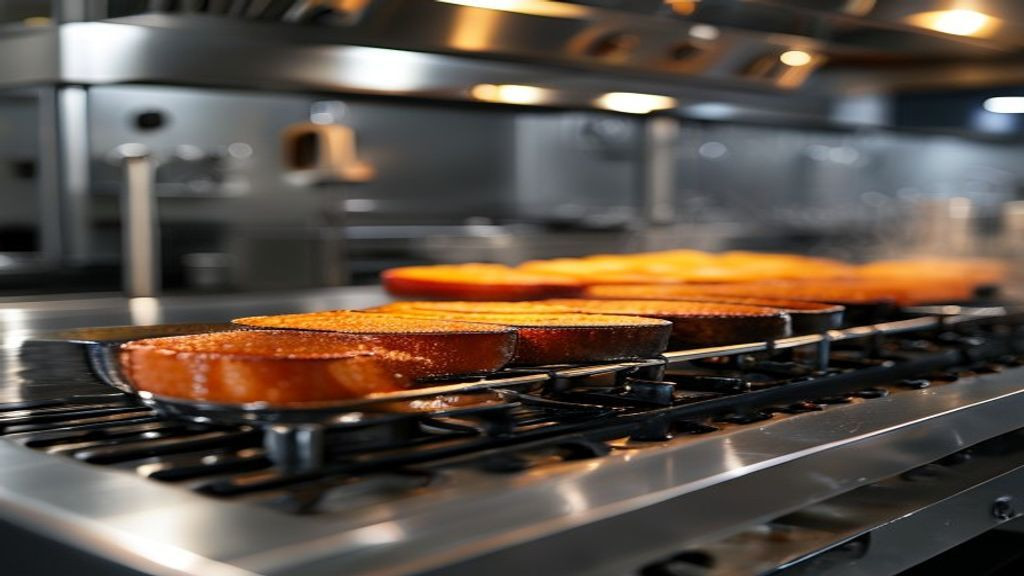
Henny Penny equipment is a familiar name in commercial kitchens that rely on consistent fried food quality and high volume. Restaurant owners, kitchen managers, and buyers often compare pressure fryers and related fry station gear when they need faster cook times, repeatable results, and easier day-to-day operation. For more background, see Learn more about henny penny equipment.
This guide focuses on what matters when you evaluate Henny Penny equipment for a real kitchen: capacity, fuel type, controls, cleaning routines, and throughput. You will not find invented model specs here-only practical checkpoints you can verify against current product literature and dealer quotes.
If you are replacing an aging fryer or adding a second station for peak service, use this overview to ask better questions before you buy.
What Henny Penny Equipment Covers in a Commercial Kitchen
Henny Penny equipment is best known for commercial pressure fryers used for chicken and other high-volume fried items. Many kitchens also look at complementary pieces that support the fry line, such as holding cabinets, breading stations, and filtration-related accessories, depending on the brand lineup available in your market.
When buyers say they are shopping for Henny Penny equipment, they usually mean a pressure fryer first, then the supporting tools that keep product hot, consistent, and ready for service. Start with the cook platform, then match holding and prep capacity so the fryer is never the bottleneck-or left idle while holding space runs out.
Pressure fryers vs. open fryers
Pressure fryers cook under sealed pressure, which can shorten cook time and help retain moisture in products like bone-in chicken. Open fryers are more flexible for mixed menus but may require different labor pacing and batch planning. Choose based on your core menu, not brand preference alone.
Where supporting equipment fits
Holding and staging equipment matter as much as the fryer when lunch and dinner rushes stack orders. Plan for safe hot holding, clear labeling, and a breading or prep flow that matches your fryer's batch size so crew can keep product moving without quality drop-off.

Capacity, Fuel Type, and Throughput Checklist
Capacity is more than basket size. Ask how many pieces or pounds you can cook per cycle, how long a typical cycle runs for your menu items, and how many cycles you can realistically complete during your busiest hour. Throughput is capacity plus recovery, labor, and staging space.
Fuel type affects installation cost, utility availability, and recovery during continuous use. Confirm whether your location is better suited to electric or gas, what ventilation and clearances your AHJ and hood system require, and what your electrician or plumber needs before delivery.
Capacity questions to ask every dealer
Request published capacity guidance for your actual menu items, not generic "heads of chicken" claims without context. Ask about recommended load size, cook time ranges, and how performance changes when you run back-to-back batches during peak periods.
Fuel, utilities, and kitchen fit
Verify voltage, phase, gas supply, BTU or kW requirements, cord/plug configuration, and hood coverage before you sign a PO. A strong fryer on paper still fails if it cannot be installed cleanly in your existing line or if recovery suffers under your real ticket mix.
Controls, Training, and Day-to-Day Usability
Modern commercial fryer controls should help your team repeat the same result across shifts. Look for programmable cook cycles, clear displays, and alarms that reduce guesswork when you are training new cooks. Simple navigation matters as much as feature count.
Usability also includes load and unload ergonomics, lid or door handling on pressure models, and how easy it is to follow safe pressure-cook procedures. Ask for a demo with your crew present so managers can judge whether the interface matches your labor reality.
Controls that support consistency
Prioritize programmable settings for your top sellers, readable status indicators, and controls that supervisors can lock or standardize. Consistency across locations or dayparts usually beats rarely used advanced options.
Training and SOPs
Build short SOPs for loading, cook selection, depressurizing or opening safely where applicable, draining, and holding. Henny Penny equipment performs best when every shift follows the same sequence, especially during rush periods.
Cleaning, Filtration, and Maintenance Reality
Oil life and food quality depend on filtration discipline and daily cleaning. Ask how the unit supports filtering, what parts are operator-serviceable, and how long a typical filter or boil-out process takes in a working kitchen-not in a showroom.
Preventive maintenance protects warranty coverage and uptime. Confirm recommended service intervals, gasket and seal checks on pressure fryers, and what spare parts your dealer stocks locally. Downtime costs more than most buyers budget for during the first quote comparison.
Cleaning workflow to plan for
Map who filters oil, when they do it, where hot oil is handled, and how fry pots, lids, baskets, and surrounding surfaces are cleaned after close. Equipment that is hard to clean often gets neglected, which shortens oil life and hurts product taste.
Service access and uptime
Ask about authorized service coverage in your area, typical response times, and which wear items fail most often under heavy chicken or high-volume use. A clear service plan should be part of any Henny Penny equipment purchase decision.
How to Compare Quotes Without Guesswork
Compare total cost of ownership: equipment price, installation, hood or utility upgrades, oil usage, filters, baskets, training time, and expected service. The lowest invoice total is not always the lowest cost per finished plate.
Request references from similar operations-same menu style and volume if possible. When you evaluate Henny Penny equipment side by side with other brands, score each option on capacity fit, fuel compatibility, control simplicity, cleaning time, and dealer support rather than brochure language alone.
A simple scorecard for buyers
Rank each option 1-5 on menu fit, peak-hour throughput, install readiness, ease of cleaning, parts/service access, and training curve. Weight peak-hour throughput and service access highest if fried chicken or similar items drive your sales.
Frequently Asked Questions
What is Henny Penny equipment mainly used for?
It is most associated with commercial pressure fryers and related kitchen equipment used for high-volume fried foods, especially chicken. Many operators also evaluate matching holding and prep support so the fry line keeps pace with service.
How should I size Henny Penny equipment for my restaurant?
Start with peak-hour demand for your top fried items, then work backward to batch size, cook cycle time, and number of cycles needed. Confirm published capacity against your menu pieces or portion weights, and make sure holding space can absorb finished product.
Is gas or electric better for a Henny Penny fryer?
Neither is universally better. Choose based on available utilities, hood design, energy costs in your area, and recovery needs during continuous service. Have your dealer confirm site requirements before you purchase.
What cleaning tasks matter most with pressure fryers?
Follow a disciplined oil filtration schedule, clean food-contact surfaces daily, and maintain gaskets, lids, and baskets according to manufacturer guidance. Consistent cleaning protects oil life, food quality, and equipment uptime.
What should buyers verify before ordering Henny Penny equipment?
Verify utility specs, hood and clearance requirements, real menu capacity, programmable controls for your items, filtration process, warranty terms, and local authorized service. Ask for a hands-on demo whenever possible.
Can Henny Penny equipment work for menus beyond fried chicken?
Pressure fryers are often chosen for chicken, but suitability depends on your recipes, breading, cook profiles, and whether you also need open-fry flexibility. Match the platform to your core sellers and test critical items before rolling out a full menu change.
Conclusion
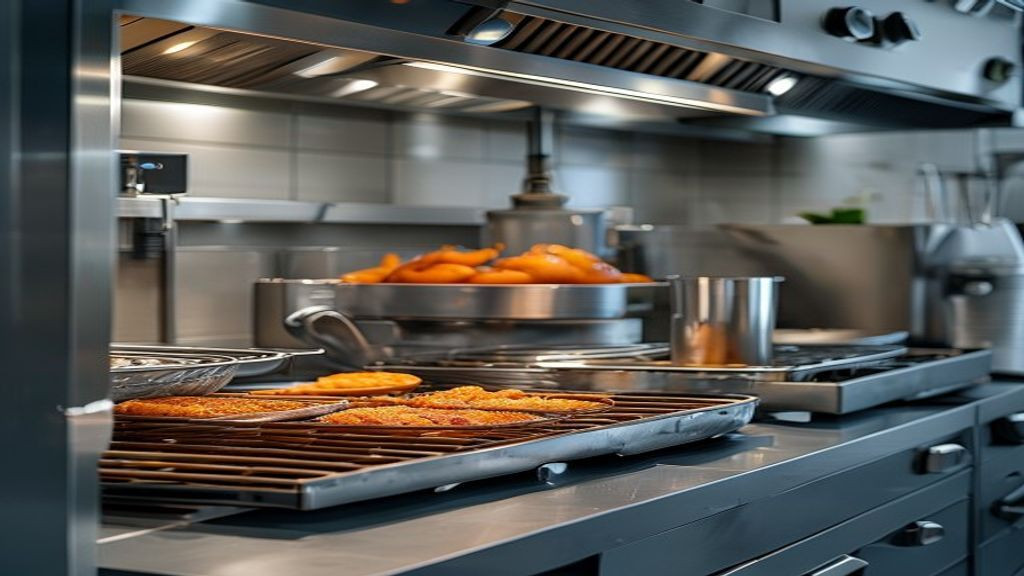
Choosing Henny Penny equipment works best when you treat it as an operations decision, not just a catalog comparison. Define your peak throughput, confirm fuel and install realities, and pressure-test controls and cleaning time with the people who will run the line.
Next, gather current spec sheets, schedule a demo, and score dealer quotes on capacity fit, service coverage, and total cost of ownership. A clear checklist will help you buy with confidence and keep fried quality consistent when volume spikes.
Looking for a ready-to-order option? Explore this henny penny equipment on HorecaStore.


Comments
Post a Comment