Henny Penny Fryers: Buyer Guide for Kitchens
Henny Penny Fryers: A Practical Buyer Guide
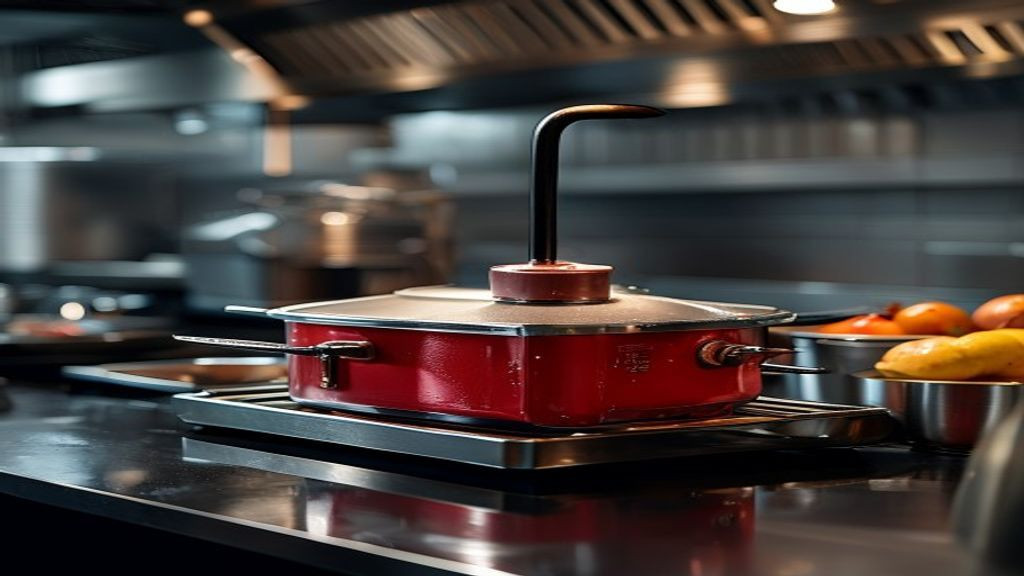
Henny Penny is a familiar name in commercial kitchens that need consistent fried chicken and other high-volume fried menu items. If you are comparing pressure fryers for a new line or a remodel, the right choice depends on capacity, fuel type, controls, cleaning workflow, and how many pieces you need per hour. For more background, see Learn more about henny penny.
This guide from Henny Penny Fryer Guides is written for restaurant owners, kitchen managers, and buyers. It focuses on practical buying criteria rather than marketing claims, so you can match a Henny Penny unit to your menu mix, staffing, and service peaks.
Use it as a checklist when you talk with dealers, review existing equipment, or plan a fry station that can keep pace without sacrificing food quality or safety.
What Henny Penny Equipment Is Best Known For
Henny Penny is widely associated with commercial pressure fryers used for fried chicken and similar items that benefit from sealed cooking under pressure. Pressure frying typically cooks faster than open frying for many bone-in products and can help retain moisture when procedures are followed correctly.
Beyond the fryer itself, buyers often evaluate the full station: basket handling, filtration access, control panels, and how the unit fits ventilation and floor space. A Henny Penny decision should start with your highest-volume SKUs and the number of batches you need during peak hours.
Pressure fryers versus open fryers
Pressure fryers cook food in a sealed vessel under pressure, which can shorten cook times for certain chicken pieces compared with traditional open-pot frying. Open fryers remain useful for fries, appetizers, and flexible multi-product frying. Many kitchens run both: a Henny Penny pressure fryer for signature chicken, and open fryers for the rest of the menu.
Where Henny Penny fits in a line layout
Plan for clearances, hood coverage, and a safe path for hot oil handling and filtration. Place the unit where cooks can load, unload, and stage product without blocking pass traffic. Confirm utility locations early so gas, electric, and drain connections do not force last-minute layout changes.
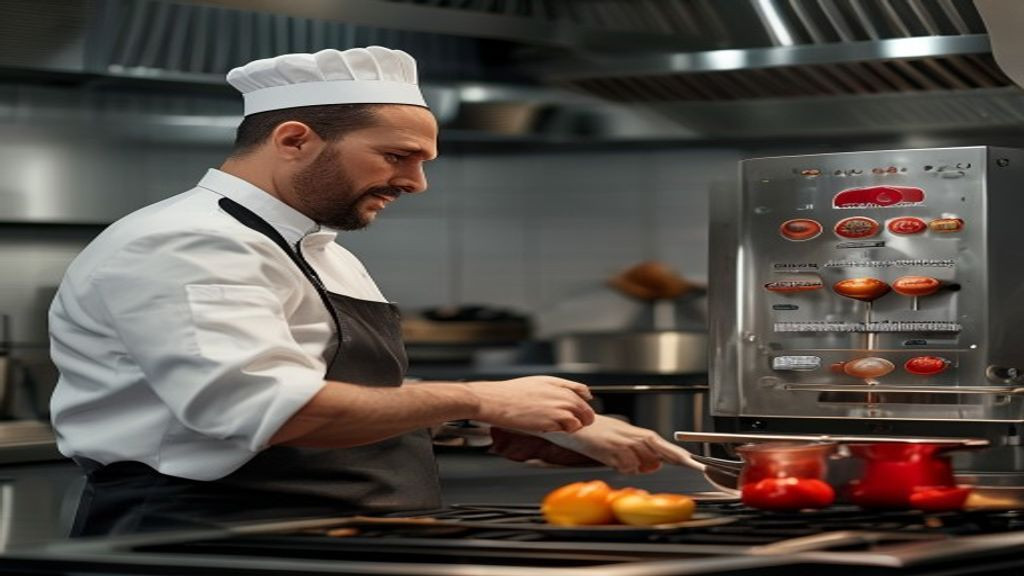
Capacity, Fuel Type, and Throughput Planning
Capacity is not just the listed basket or vessel size. It is how many finished portions you can produce per hour with realistic load sizes, recovery time, and hold times. Ask dealers for throughput guidance based on your piece mix (wings, breasts, thighs, tenders) rather than a single generic number.
Fuel type affects install cost, operating cost, and recovery. Gas and electric Henny Penny options may both be available depending on the model family and region. Match fuel to your building utilities, utility rates, and hood design before you finalize a purchase.
Sizing capacity to peak demand
Estimate peak-hour chicken sales, then work backward to batches needed per hour. Include breading time, staging, and holding so the fryer is not the only bottleneck. If lunch and dinner spikes differ, size for the higher peak and note whether a second smaller unit or staggered cook cycles would be safer than one oversized machine.
Gas versus electric considerations
Gas units often appeal where gas is already available and recovery needs are high, while electric can simplify some installs and may suit sites with limited gas capacity. Compare amperage or BTU requirements with your panel and meter capacity. Factor in local code, hood make-up air, and long-term energy pricing, not only sticker price.
Controls, Cleaning, and Daily Kitchen Fit
Modern commercial fryer controls help standardize cook times and reduce guesswork across shifts. When comparing Henny Penny models, review how programs are set, how staff select cycles, and whether alarms and status indicators are easy to see in a busy kitchen.
Cleaning and oil care drive food quality and operating cost. Prefer designs that make filtration, crumb removal, and exterior wipe-downs practical between rushes. Confirm who will own daily, weekly, and periodic deep-clean tasks so the unit stays reliable.
Controls and cook consistency
Look for programmable cook cycles that match your core recipes, clear displays, and lockouts or permissions if you need to limit accidental changes. Train staff on load size discipline: overloading is a common cause of uneven results and longer recovery, even with good controls.
Filtration, oil life, and sanitation
Ask how oil is filtered on that specific Henny Penny configuration and how long a typical filter cycle takes during service. Schedule filtration around rushes, skim crumbs as directed, and track oil condition with a consistent standard so quality does not drift between managers. Always follow the manufacturer cleaning instructions and local safety rules for hot oil.
Buying Checklist for Restaurant Owners and Kitchen Managers
Before you buy, document menu volume, piece mix, available utilities, hood capacity, and staffing skill level. Bring those details to a dealer demo or site survey so recommendations stay grounded in your operation.
Compare total cost of ownership: equipment price, install, ventilation work, oil usage, parts access, training time, and expected service response. A lower upfront bid can cost more if filtration is slow, recovery is weak for your loads, or downtime is hard to cover.
Questions to ask before you commit
What real-world throughput should we expect for our piece mix? What are the exact utility requirements? How is filtration performed during service? What training and warranty support are included? Which wear parts are commonly stocked locally? Answers to these questions usually matter more than brochure highlights.
Frequently Asked Questions
What is a Henny Penny fryer typically used for?
Henny Penny is best known for commercial pressure fryers used for fried chicken and similar high-volume fried proteins. Many restaurants use them for signature chicken while keeping open fryers for fries and other items.
How do I choose the right Henny Penny capacity?
Start with peak-hour portion demand and your most common piece sizes, then translate that into batches per hour including recovery and holding. Ask a dealer to model throughput for your menu rather than relying on a single capacity claim.
Should I choose gas or electric for a Henny Penny fryer?
Choose based on available utilities, install cost, energy rates, and recovery needs for your volume. Confirm electrical amperage or gas supply and hood requirements on-site before ordering.
How important is filtration on a Henny Penny pressure fryer?
Very important. Regular filtration and crumb management help protect flavor, extend oil life, and support consistent product quality. Build filtration into the daily workflow so it happens on schedule, not only when oil looks obviously dirty.
Can one Henny Penny unit handle a full fried menu?
It depends on volume and menu mix. Pressure fryers excel at certain chicken applications, but many kitchens still need open fryers for fries, breaded appetizers, and flexible a la carte frying. Map each menu item to the equipment that cooks it best.
What should buyers verify before installation?
Verify utility connections, hood coverage and clearances, floor space for safe loading and oil handling, staff training plans, and service access. A clean install plan prevents delays and reduces early operating issues.
Conclusion
A Henny Penny fryer can be a strong fit when your chicken volume, utilities, and cleaning discipline align with the model you choose. Focus on capacity for peak service, fuel and install realities, usable controls, and a filtration routine your team will actually follow.
If you are ready to compare options, list your peak throughput needs and utility constraints, then review candidate units against that checklist. Henny Penny Fryer Guides can help you frame the next dealer conversation around practical kitchen results, not just equipment labels.
Looking for a ready-to-order option? Explore this henny penny on HorecaStore.


Comments
Post a Comment