Henny Penny Pressure Fryers: Buyer's Guide
Henny Penny Pressure Fryers: A Practical Buyer's Guide
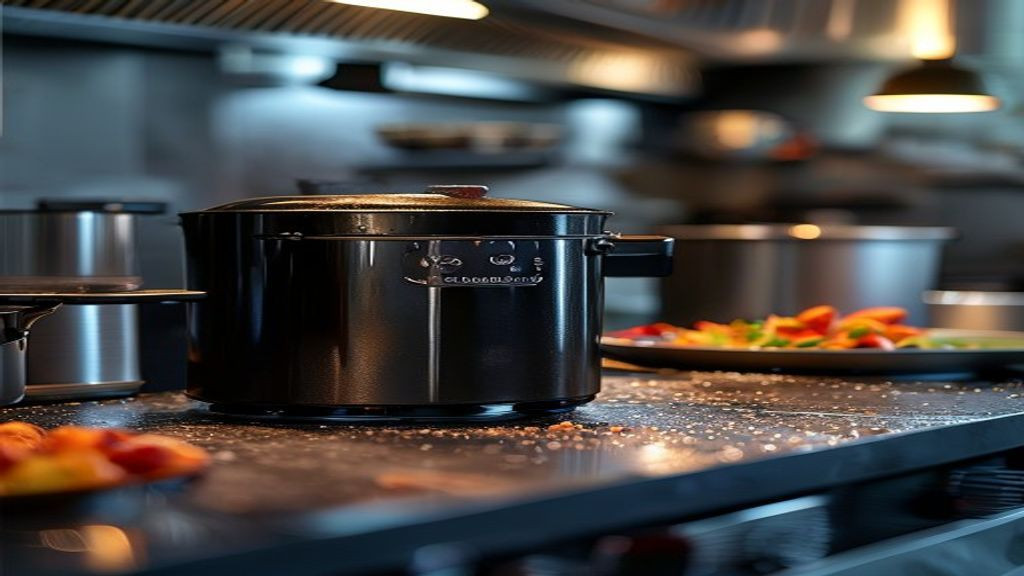
Henny Penny pressure fryers are a staple in high-volume kitchens that need crispy, juicy fried chicken and other pressure-fried foods with consistent results. Unlike open fryers, pressure fryers seal the cooking chamber so food cooks faster at higher moisture retention, which can improve product quality and hourly throughput. For more background, see Learn more about henny penny pressure fryers.
If you are a restaurant owner, kitchen manager, or buyer comparing commercial fryers, this guide walks through what matters most when evaluating Henny Penny pressure fryers: capacity, fuel type, controls, cleaning routines, and real-world throughput. Specs vary by model and configuration, so treat the points below as decision criteria rather than one-size-fits-all numbers.
Use this as a checklist before you request quotes, demo units, or service plans from your dealer. Matching the fryer to your menu mix and peak-hour demand usually saves more money than chasing the lowest sticker price alone.
What Makes Henny Penny Pressure Fryers Different
Henny Penny pressure fryers cook food under sealed pressure, which shortens cook times versus many open-vat methods and helps lock in moisture. That combination is why they are widely used for bone-in chicken, tenders, and other breaded proteins where juiciness and crust quality drive guest satisfaction.
For buyers, the practical difference shows up in labor and line speed. Faster batch turns can mean fewer fryer stations during rush periods, provided your team can load, unload, and hold product without bottlenecks. Confirm cook programs, basket style, and hold procedures with your operator training plan before you commit.
Pressure frying vs. open frying
Open fryers are flexible for fries, appetizers, and mixed menus. Pressure fryers shine when your core items benefit from sealed cooking and repeatable timed cycles. Many kitchens run both: pressure fryers for signature chicken and open fryers for sides. Map your ticket mix before deciding how many pressure units you need.
Where they fit in a commercial kitchen
Place pressure fryers where ventilation, oil handling, and landing space for racks or pans are already strong. Factor in clearances for lid operation, filter access, and safe unloading. A fryer that fits the footprint on paper but blocks the pass or dish flow will slow the line every service.
Capacity, Fuel Type, and Throughput Planning
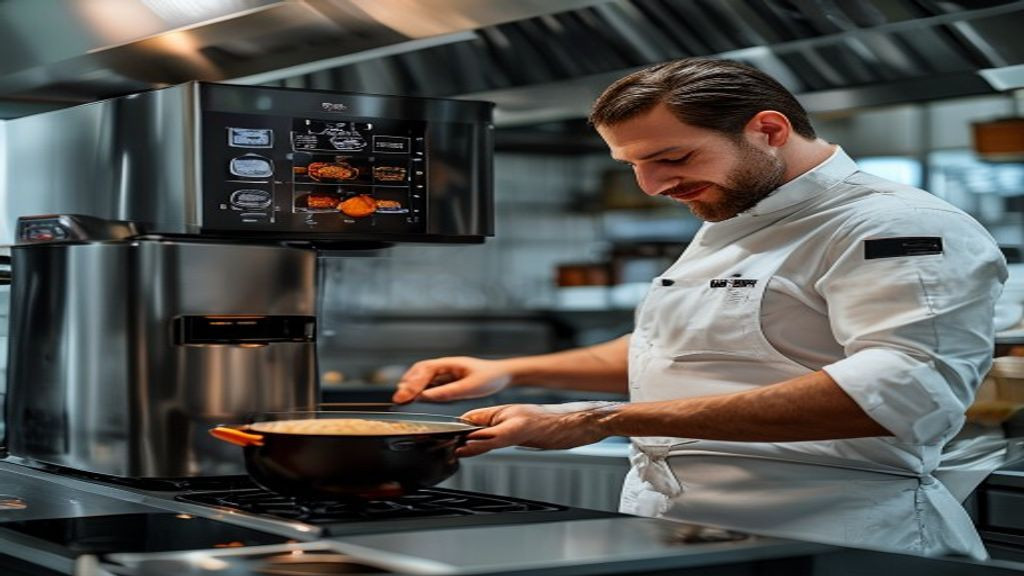
Capacity is usually expressed as load size per cycle and how many cycles you can complete per hour with realistic load/unload time. Ask dealers for rated load guidance for your primary products, then discount that number for real kitchen conditions: staging, breading, holding, and staff experience.
Fuel type is typically electric or gas, depending on the model line and site utilities. Electric units need adequate amperage and circuit planning; gas units need proper supply, ventilation coordination, and local code compliance. Choose based on available utilities, energy costs in your market, and how your hood system is designed-not on brand preference alone.
Sizing capacity to peak demand
Estimate peak-hour portions for your top pressure-fried items, then work backward to cycles needed. Include a buffer for remakes and large catering tickets. Undersizing forces longer ticket times; oversizing ties up capital, oil volume, and hood capacity you may not need on slower days.
Throughput beyond the cook timer
True throughput includes breading speed, racking, pressure cycle time, venting/unloading, and holding capacity. If the fryer finishes batches faster than the team can stage product, you will not see the full productivity gain. Align prep tables, holding cabinets, and staffing with the fryer's cycle pace.
Controls, Oil Management, and Daily Cleaning
Modern Henny Penny pressure fryers typically use programmable controls for cook times and product presets, which helps keep results consistent across shifts. When comparing units, review how easy it is to save recipes, lock settings, and train new staff without long learning curves.
Oil life and filtration strongly affect food quality and cost per serving. Plan for routine filtering, oil quality checks, and a replacement schedule based on product mix and volume. Pressure frying can be efficient, but neglected oil will still produce dark color, off flavors, and shorter shelf life for finished food.
Control features buyers should compare
Look for clear displays, reliable preset programs, and controls that survive busy-line use. Ask how alarms, lid interlocks, and safety prompts work during a normal cook cycle. Request a hands-on demo so managers can judge whether the interface matches your crew's skill level.
Cleaning and maintenance realities
Daily tasks usually include filtering or oil care, wiping exteriors, cleaning baskets/racks, and inspecting seals and lids per manufacturer guidance. Schedule deeper cleaning and preventive maintenance with qualified service. Downtime on a primary pressure fryer can halt your best-selling items, so service access and parts availability should be part of the purchase decision.
How to Choose the Right Henny Penny Pressure Fryer
Start with menu priority, peak volume, and utility constraints. Then compare footprint, load capacity, control usability, filtration approach, and total cost of ownership-equipment price plus oil, energy, labor, and service.
Before you buy, verify warranty terms, training support, and local technician coverage. Ask for references from similar concepts (QSR chicken, cafeteria, grocery hot food, or full-service). A short pilot or staged install is often worth it when you are replacing an entire frying line.
Buyer checklist before you request a quote
Confirm utilities, hood capacity, drain/disposal process for oil, holding equipment, and the exact products you will cook most. Share those details with your dealer so model recommendations match your operation instead of a generic catalog pick.
Total cost of ownership questions
Ask about expected oil usage patterns for your menu, filter media costs, common wear parts, and typical service intervals. Also compare energy draw or gas load against your utility rates. The lowest purchase price is rarely the lowest cost per plate over a multi-year run.
Frequently Asked Questions
What are Henny Penny pressure fryers best used for?
They are commonly used for pressure-fried chicken and similar breaded proteins where faster cook cycles and moisture retention matter. Many operators keep open fryers for fries and appetizers while dedicating pressure fryers to core chicken items.
How do I estimate the capacity I need?
Calculate peak-hour portions for your main pressure-fried items, translate that into cycles per hour with realistic load and unload time, then add a buffer for remakes. Ask your dealer for load guidance by product and validate it against your breading and holding workflow.
Should I choose gas or electric Henny Penny pressure fryers?
Choose based on available utilities, local energy costs, and hood or electrical capacity. Gas and electric options each have site requirements; the better choice is the one your building can support safely and cost-effectively.
How often should oil be filtered and changed?
Filter on a routine tied to your volume and product mix, and change oil when quality indicators (color, odor, taste, and frying performance) decline. Follow manufacturer guidance and your brand standards rather than a fixed calendar alone.
Are Henny Penny pressure fryers harder to clean than open fryers?
They add pressure-system and lid-related care on top of normal frying sanitation. Daily oil care and wiping remain essential, and you should follow the manufacturer's procedures for seals, lids, and scheduled maintenance to keep the unit safe and consistent.
What should kitchen managers train staff on first?
Prioritize safe loading and unloading, correct cook programs, lid and pressure safety habits, oil filtering basics, and holding procedures. Consistent presets and checklist-based shift routines usually improve food quality faster than informal on-the-job coaching alone.
Conclusion
Henny Penny pressure fryers can raise consistency and throughput for chicken-focused and high-volume fried menus when capacity, fuel type, controls, and cleaning routines match your kitchen. Treat published ratings as a starting point, then validate real cycle times with your own product mix and staffing.
Next, list your peak-hour demand, utilities, and must-have control features, then request model comparisons and a demo from a qualified dealer. A clear checklist now prevents costly mismatches after installation.
Looking for a ready-to-order option? Explore this henny penny pressure fryers on HorecaStore.


Comments
Post a Comment