Henny Penny SCR 8 Buyer Guide for Kitchens
Henny Penny SCR 8: What Buyers Should Compare
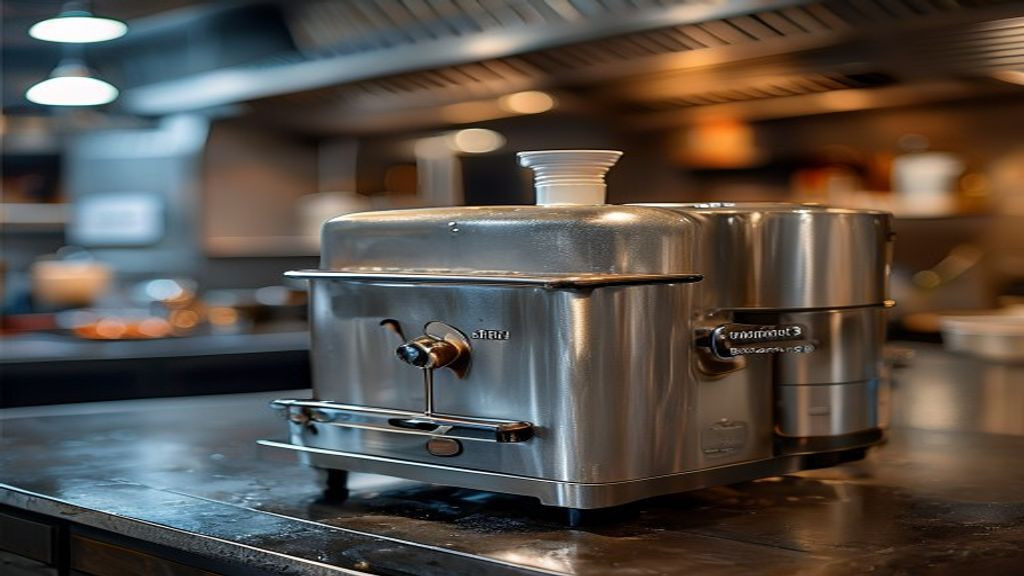
If you are evaluating a Henny Penny SCR 8 for a busy fry station, start with how the unit fits your menu, peak volume, and available utilities—not just the brand name on the door. Commercial pressure fryers earn their keep when they deliver consistent product quality under rush conditions, with controls your crew can run without constant supervision. For more background, see Learn more about henny penny scr 8.
This guide is written for restaurant owners, kitchen managers, and equipment buyers comparing Henny Penny pressure fryers and similar commercial fryers. You will find a practical checklist covering capacity, fuel type, controls, cleaning, and throughput so you can ask vendors the right questions before you buy or replace a line unit.
Use the sections below as a decision framework. Confirm every model-specific detail—vat size, pressure rating, energy ratings, and warranty terms—against the current Henny Penny specification sheet and your local dealer quote.
Who the Henny Penny SCR 8 Is For
The Henny Penny SCR 8 is typically considered by kitchens that need pressure-fried products with a repeatable crust and moist interior, such as chicken programs or other high-volume fried items. It is a better fit when consistency and speed at peak hour matter more than running a simple open-vat fryer for a few menu SKUs.
Buyers who already run Henny Penny equipment often look at an SCR 8–class unit when they want brand continuity for parts, training, and service. New buyers should still compare it against other pressure fryers and open fryers on true cost of ownership: energy use, oil life, labor for filtering, and downtime risk.
Menu and volume signals that favor a pressure fryer
Pressure frying is usually worth the investment when you cook bone-in or thicker products that benefit from sealed cooking, or when you need shorter cook times without drying out the food. If your menu is mostly thin fries, appetizers, or light batter items, an open fryer may be simpler and cheaper to operate—confirm with a side-by-side cook test on your recipes.
When to pause and verify the exact SCR 8 configuration
Henny Penny model designations can cover different controls, fuel options, and accessories depending on region and year. Before you approve a purchase order, confirm the exact SCR 8 configuration on the quote: electric or gas, control package, basket or rack setup, filtration options, and any required clearances for your hood and floor plan.

Capacity, Fuel Type, and Throughput Checklist
Capacity should be judged in finished product per cook cycle and how many cycles you can run during your busiest hour—not only the vat volume printed on a brochure. Ask for recommended load sizes for your core SKUs so you do not underfill (wasting energy) or overfill (hurting quality and cook time).
Fuel type must match your kitchen’s utilities and ventilation plan. Electric units need adequate amperage and circuit protection; gas units need correct BTU supply, shutoffs, and often different hood considerations. Your electrician or plumber should review the cut sheet before install day.
Throughput is a system result: preheat time, cook time at your set points, recovery after a drop, basket handling, and how fast oil returns to temperature. Time a full rush simulation with your recipes when you demo or visit a reference kitchen.
Capacity questions to ask the dealer
Request typical batch weight for your primary product, maximum recommended load, number of baskets or racks, and how the unit stages product for holding. Also ask how capacity changes if you add breading variations or thicker pieces, since those shifts often reduce safe load size.
Fuel and install constraints that affect total cost
Document gas line size and pressure or available electrical service, hood capture, drain access for oil, and floor load. A cheaper fryer that forces a panel upgrade, new gas run, or hood modification can erase the savings. Build those costs into the comparison spreadsheet next to the equipment price.
Controls, Cleaning, and Daily Kitchen Fit
Controls should match crew skill and how many recipes you run. Look for programmable cook profiles, clear alarms, and simple override rules so managers can lock standards while still allowing trained staff to adjust when product or oil conditions change. Ask how recipes are backed up and restored after a board swap.
Cleaning and oil management drive labor hours and food quality. Review the filter process, how often oil should be filtered for your volume, cool-down and drain procedures, and which parts are removable for washdown. Pressure fryers also need careful lid, gasket, and seal inspection—build those checks into opening and closing routines.
Fit the unit into your line flow: breading station to fryer to hold, with enough aisle space for hot oil handling and emergency shutoff access. Measure door swing, lid clearance, and service access panels against your existing footprint before you commit.
Control features that matter in real service
Prioritize readable displays, durable buttons or touch surfaces that survive greasy gloves, multi-product programming, and fault or high-limit indicators that are hard to miss. If you operate multiple dayparts, confirm how many cook programs you can store and whether naming is clear enough for new hires.
Cleaning and oil care without guesswork
Ask for the manufacturer’s recommended cleaning schedule, approved cleaners, and filter media type. Train staff on cool-to-safe temperatures before draining, how to inspect for crumbs and polymerized oil, and when to discard oil based on color, smell, and smoke point—not only calendar days.
Buying and Comparing the Henny Penny SCR 8
Treat the Henny Penny SCR 8 as one option in a structured bid. Compare at least two configurations or competing pressure fryers on purchase price, install cost, warranty length and coverage, parts lead times, and local service response. Include oil usage estimates and filter labor in the first-year operating cost.
Ask for reference accounts with similar menus and volume. Visit if you can, or request cook data for products close to yours. Validate that the SCR 8 you are quoted includes the filtration, baskets, and control package your kitchen actually needs—options left off a base price often reappear as change orders.
Warranty, parts, and service readiness
Confirm what the warranty covers (parts, labor, fry pot, electronics), start date, and exclusions related to water quality, improper cleaning, or voltage issues. Identify your nearest authorized service provider and typical parts availability for lids, gaskets, probes, and control boards before go-live.
Next steps before you sign
Collect the official SCR 8 cut sheet, utility requirements, and install drawings; run a cook demo with your breading and hold process; finalize hood and utility quotes; and align staff training on pressure operation and safety. Only then lock pricing and delivery dates around your remodel or equipment swap window.
Frequently Asked Questions
What should I verify first when shopping for a Henny Penny SCR 8?
Start with the exact configuration on the quote: fuel type (gas or electric), control package, capacity setup, filtration options, and utility requirements. Match those to your menu load and kitchen services before comparing price alone.
Is the Henny Penny SCR 8 a pressure fryer or an open fryer?
Buyers usually evaluate the SCR 8 in the Henny Penny pressure-fryer context for sealed cooking performance. Always confirm the product classification and operating method on the current manufacturer documentation for the specific model number on your quote.
How do I estimate throughput for my restaurant?
Time full cook cycles for your main items at recommended loads, then multiply by how many cycles you can run in your peak hour after accounting for loading, draining, and recovery. Ask the dealer for guidance on load size so quality stays consistent.
What cleaning tasks are most important for pressure fryers?
Regular oil filtering, crumb removal, exterior wipe-downs, and scheduled inspection of lids, gaskets, and seals. Follow Henny Penny’s cleaning guidance for your configuration and train staff on safe cool-down and drain procedures.
Should I choose gas or electric for an SCR 8–class fryer?
Choose based on available utilities, energy cost in your market, hood design, and recovery needs—not preference alone. Have your electrician or gas fitter review the cut sheet so install cost and performance expectations are realistic.
What costs beyond the equipment price should buyers include?
Include hood or utility upgrades, delivery and install, startup oil, filter media, training time, preventive maintenance, and expected service response. Those items often decide which fryer is cheaper over the first one to three years.

Conclusion
A Henny Penny SCR 8 purchase decision should rest on verified capacity, fuel fit, usable controls, cleaning labor, and real peak-hour throughput—not marketing claims. Use manufacturer cut sheets and a hands-on cook demo with your recipes to confirm the unit matches your operation.
If you are ready to move forward, request current SCR 8 specifications from your Henny Penny dealer, line up utility and hood quotes, and compare total first-year cost against at least one alternate configuration. That process protects food quality, labor hours, and your capital budget.
Looking for a ready-to-order option? Explore this henny penny scr 8 on HorecaStore.


Comments
Post a Comment