Henny Penny Velocity Fryer: Buyer’s Guide
Henny Penny Velocity Fryer: What Buyers Should Know
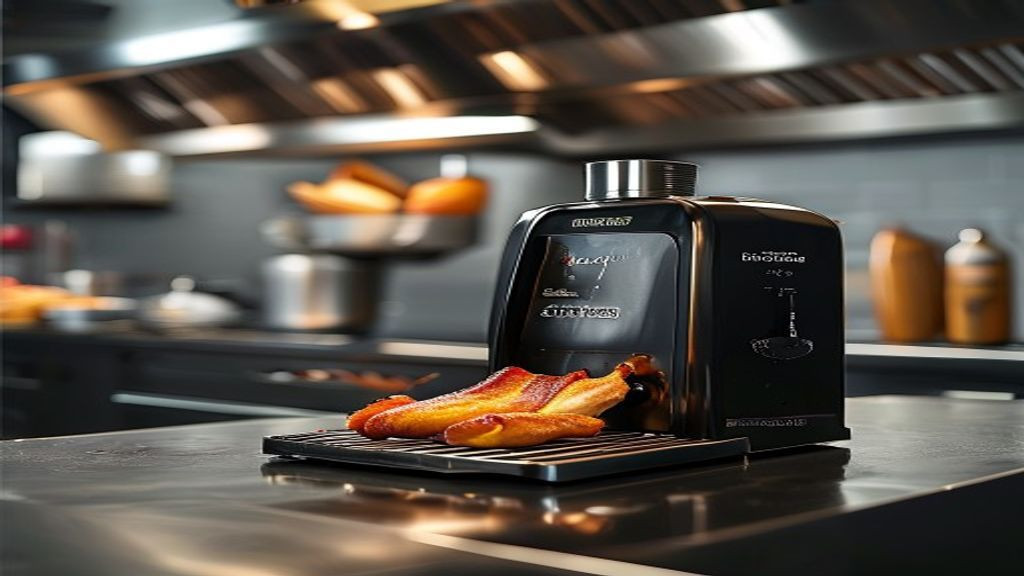
Choosing the right commercial fryer can shape ticket times, product consistency, and labor costs. The Henny Penny Velocity fryer is often considered by operators who want modern controls and dependable throughput without guessing on day-to-day kitchen performance. For more background, see Learn more about henny penny velocity fryer.
This guide is written for restaurant owners, kitchen managers, and equipment buyers comparing commercial fryers—especially those already looking at Henny Penny pressure fryers or related systems. You will find practical buying criteria, not marketing fluff or invented specifications.
Use it to ask better questions of dealers, verify model-specific capacity and fuel options, and decide whether a Velocity-series unit fits your menu, volume, and cleaning routine.
What the Henny Penny Velocity Fryer Is Built For
The Henny Penny Velocity fryer sits in the commercial frying category aimed at kitchens that need repeatable results and efficient workflow. Exact vat size, oil capacity, and production ratings vary by model and configuration, so always confirm those details on the current spec sheet for the unit you are quoting.
Operators typically evaluate it alongside other Henny Penny fryers when fried chicken, seafood, or high-volume sides drive a large share of sales. Focus less on brand slogans and more on how the fryer supports your menu mix, peak-hour demand, and staff skill level.
Pressure fryer vs. open fryer context
Henny Penny is widely known for pressure frying, which can cook certain proteins faster and with a different moisture and texture profile than open-vat frying. A Velocity fryer may be part of a broader lineup that includes pressure and open options—confirm which cooking method the specific Velocity model uses before you compare it to another brand or series.
Who should shortlist it
Shortlist a Henny Penny Velocity fryer if you need strong brand support, structured controls for consistency across shifts, and a dealer network that can help with install, training, and parts. It may be less ideal if your volume is very low or if you need a bare-bones open fryer with minimal features and the lowest upfront cost.

Capacity, Fuel Type, and Throughput to Verify
Capacity and throughput are the first filters for most buyers. Ask for oil capacity per vat, basket or load size guidance, and any published production estimates for products you actually sell—not generic “pieces per hour” claims that do not match your recipe.
Fuel type is equally important: many commercial kitchens choose gas or electric based on utility availability, hood design, and energy cost. Confirm BTU or kW ratings, electrical phase requirements, and clearance needs with your facilities team before you sign a purchase order.
Matching capacity to menu and peaks
Map your busiest hour: how many portions of your top fried items leave the pass in 15-minute blocks? Then ask the dealer how a given Velocity configuration is typically loaded for those items. Undersizing creates bottlenecks; oversizing ties up more oil, floor space, and filtration labor than you need.
Fuel and utility checklist
Verify gas connection size and pressure, or electric amperage and voltage, plus ventilation compatibility. If you are replacing an older fryer, measure footprint, drain height, and filter location so the new unit does not force costly kitchen renovations.
Controls, Cleaning, and Daily Kitchen Workflow
Modern commercial fryers often include programmable cook cycles, temperature management, and alerts that reduce guesswork between shifts. On a Henny Penny Velocity fryer, review how recipes are stored, how staff start and end a cook, and whether the interface is clear enough for high-turnover crews.
Cleaning and oil care usually decide long-term oil cost and product quality. Confirm filtration method (manual or assisted), how often oil should be filtered for your volume, and which surfaces and components need daily, weekly, and periodic deep cleaning.
Controls that protect consistency
Look for programmable timers or cook profiles, clear temperature setpoints, and features that help prevent undercooking or oil abuse. Ask whether managers can lock or limit recipe edits so training stays consistent across locations.
Cleaning and oil life practices
Plan for skim and filter routines during service, full cool-down and wipe-down after close, and scheduled boil-outs or manufacturer-approved cleaning cycles as specified for your model. Good oil care often matters more to food quality than small differences in list price.
How to Compare It Against Other Commercial Fryers
When you compare a Henny Penny Velocity fryer to other commercial fryers—including Henny Penny pressure fryers—use the same scorecard: capacity for your menu, fuel and utilities, control simplicity, filtration and cleaning time, parts availability, warranty terms, and total cost of ownership.
Request a live demo or kitchen trial when possible. Fry your own product, time the ticket, and have a line cook run a full clean-and-filter cycle so you see labor impact, not just brochure photos.
Questions to ask the dealer
Ask for the exact model number, current capacity and utility specs, recommended oil type and filtration interval, training included with purchase, lead time, and typical service response in your area. Get those answers in writing with the quote.
Total cost beyond the sticker price
Factor oil volume and replacement frequency, filter media, labor minutes for cleaning, energy use, and downtime risk. A fryer that cooks slightly faster but is harder to clean can cost more over a year in a busy restaurant.
Frequently Asked Questions
What is a Henny Penny Velocity fryer used for?
It is a commercial fryer option for foodservice kitchens that need consistent fried products at restaurant volumes. Confirm the specific model’s cooking method, capacity, and utilities on the manufacturer or dealer spec sheet before purchase.
Is the Henny Penny Velocity fryer a pressure fryer?
Henny Penny is known for pressure frying equipment, but lineup names and configurations can differ. Do not assume every Velocity-branded unit is a pressure fryer—verify the cooking method for the exact model you are quoting.
What capacity should I look for in a Henny Penny Velocity fryer?
Match oil capacity and load guidance to your peak-hour menu, not to a generic industry average. Ask the dealer for model-specific capacity figures and typical throughput for the items you fry most.
Gas or electric: which fuel type is better?
Neither is universally better. Choose based on your kitchen’s gas or electrical service, hood design, energy costs, and local code. Confirm BTU or kW requirements and connection details before ordering.
How hard is a Henny Penny Velocity fryer to clean?
Cleaning difficulty depends on filtration design and your volume. Review daily skim/filter steps, end-of-day wipe-down, and any manufacturer-approved deep-clean cycles so you can estimate labor before you buy.
What should kitchen managers compare besides brand name?
Compare capacity, fuel type, controls, cleaning time, parts and service support, warranty, and total cost of ownership. A side-by-side demo with your own menu items is the most reliable way to decide.
Conclusion
A Henny Penny Velocity fryer can be a strong fit when your kitchen needs reliable commercial frying performance and you are ready to verify real capacity, fuel, controls, and cleaning requirements against your menu. Treat dealer specs and a hands-on demo as non-negotiable steps—not optional extras.
Next, list your peak products and utilities, request written model specs from a Henny Penny dealer, and run the same comparison against any other fryers on your shortlist. That process will tell you whether the Velocity option belongs in your kitchen—or whether another configuration serves your throughput better.
Looking for a ready-to-order option? Explore this henny penny velocity fryer on HorecaStore.


Comments
Post a Comment