Henny Penny Velocity Fryer Buying Guide
Henny Penny Velocity: What Buyers Should Know
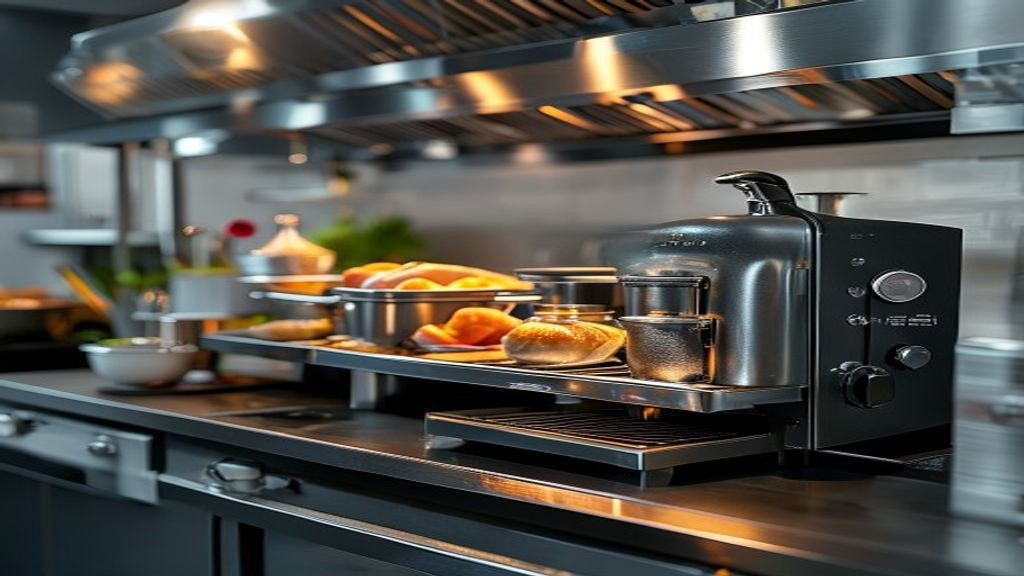
If you are evaluating a Henny Penny Velocity fryer for a busy line, you need more than a brochure headline. Restaurant owners, kitchen managers, and equipment buyers care about how the unit fits menu volume, labor, and total cost of ownership. For more background, see Learn more about henny penny velocity.
Henny Penny Velocity models sit in the commercial fryer category many operators consider when they want consistent product quality and faster, more controlled frying than a basic open vat. This guide walks through the practical checks that matter before you sign a quote.
Use it as a shortlist checklist: match capacity and fuel to your dayparts, confirm controls your crew can run, and plan cleaning and service so throughput stays predictable during peak service.
What Henny Penny Velocity Means for Your Kitchen
Henny Penny Velocity is a commercial fryer line buyers typically research when they want branded reliability, programmable frying, and workflow that supports high-volume fried menus. Treat the name as a product family to evaluate, not a single one-size unit.
Before you compare dealers, define the job: chicken, fries, appetizers, or mixed menu; lunch rush versus all-day service; and whether you need pressure frying capability or open frying only. That framing keeps the Henny Penny Velocity conversation tied to real kitchen needs.
Who should shortlist this line
Independent restaurants, QSR operators, and institutional kitchens often shortlist Henny Penny Velocity when they already run Henny Penny equipment or want consistent training across locations. It is also a strong candidate when buyers want documented cooking programs and clearer portion timing than manual vat frying.
What not to assume from the name alone
Do not assume a specific vat size, oil capacity, or energy rating from the product name. Confirm model number, open versus pressure configuration, and published specs on the quote and OEM sheet before you plan hood space, utility connections, or menu throughput.
Capacity, Fuel Type, and Throughput Planning
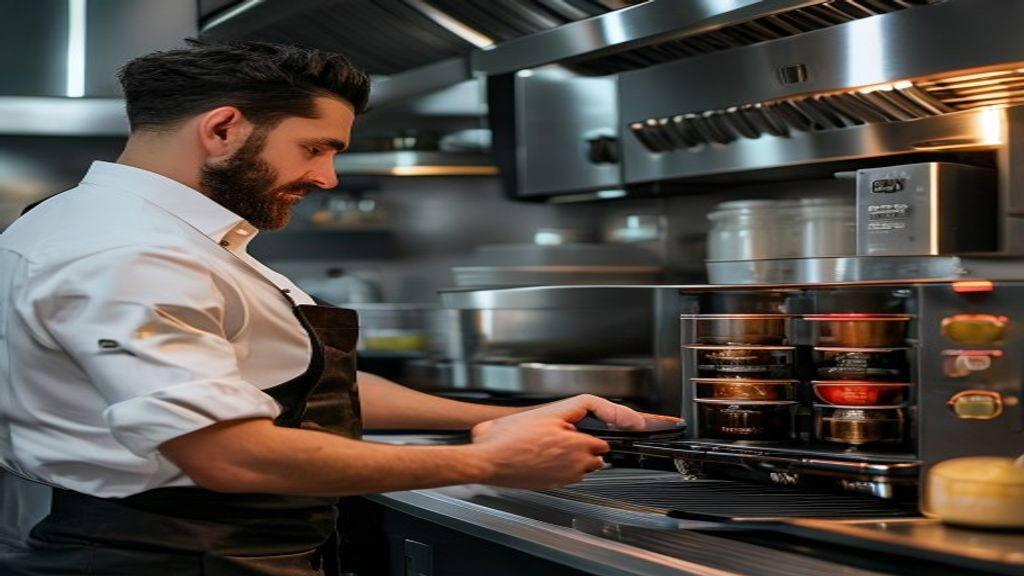
Capacity drives whether a Henny Penny Velocity unit can keep up without constant batch stacking. Ask for usable oil volume, basket or load size guidance, and how many standard product loads the kitchen can complete per hour under your recipes—not a theoretical max.
Fuel type is equally practical. Electric and gas options each affect hood design, utility cost, and install timing. Match the fuel available in the build-out, then compare recovery time and cook consistency under your heaviest daypart.
Capacity questions to ask every dealer
Request the exact model’s oil capacity, number of vats or wells, and recommended load size for your core SKUs. Ask how the kitchen should stage baskets during peak so oil temperature recovery does not stretch ticket times.
Throughput without guesswork
Build a simple throughput model from your menu: pieces or pounds per batch, minutes per cook cycle, and batches needed in the busiest 30 minutes. Then confirm the quoted Henny Penny Velocity configuration can meet that demand with a buffer for holding, breading, and packing.
Controls, Cleaning, and Daily Kitchen Fit
Controls determine whether new hires can run the fryer without constant supervision. Look for clear program storage, easy temperature and timer adjustments, and alerts that help prevent undercooked or overcooked product.
Cleaning and oil care affect flavor, food safety, and oil life. Plan for filtration access, cool-down and drain workflow, and how easily crew can wipe exterior surfaces and clean baskets between rushes.
Control features that matter on a real line
Prioritize readable displays, lockable or protected settings, and recipe programs your team will actually use. If you operate multiple sites, ask whether programs can be standardized so every Henny Penny Velocity station fries the same way.
Cleaning and maintenance expectations
Confirm daily filtration steps, recommended oil change cues, and any manufacturer guidance for vat care. Also ask about parts access, filter media availability, and typical service response from your local authorized technician.
How to Compare Quotes and Avoid Buyer Surprises
A strong Henny Penny Velocity purchase decision compares more than sticker price. Line up install scope, warranty terms, startup training, and which accessories are included versus optional.
Cross-check utility requirements against your site survey: electrical amperage or gas supply, clearance, and ventilation. A mismatch here is one of the most common reasons fryer installs slip after the deposit is paid.
Quote checklist
Require the full model number, fuel type, control package, filtration setup, warranty length, and lead time in writing. Add freight, uncrating, startup, and hood or utility work as separate lines so true landed cost is clear.
Frequently Asked Questions
What is a Henny Penny Velocity fryer used for?
Operators typically evaluate Henny Penny Velocity fryers for high-volume commercial frying—chicken, fries, and other menu items—where programmable controls and consistent cook cycles matter as much as raw heat.
How do I choose the right Henny Penny Velocity capacity?
Start with your busiest daypart demand, then match oil capacity and load size to the number of batches you must complete without stacking cold product. Confirm usable load guidance on the specific model sheet, not a generic estimate.
Should I buy gas or electric Henny Penny Velocity equipment?
Choose the fuel your site can support cleanly and cost-effectively. Gas and electric each affect install, operating cost, and recovery; the better choice is the one that matches your utilities and throughput plan.
What cleaning routine should kitchens plan for?
Plan daily oil filtration, scheduled oil replacement based on product quality and usage, and routine vat and basket cleaning. Follow the manufacturer’s care guidance for your exact model to protect food quality and equipment life.
What should be on a Henny Penny Velocity dealer quote?
Ask for model number, fuel type, controls, filtration, warranty, accessories, lead time, and all install-related costs. Clear documentation prevents surprises after delivery.
Is Henny Penny Velocity a good fit for multi-unit operators?
It can be, especially when you want consistent cooking programs and training across locations. Standardize model configuration and recipes, then validate local service coverage before you roll out.
Conclusion
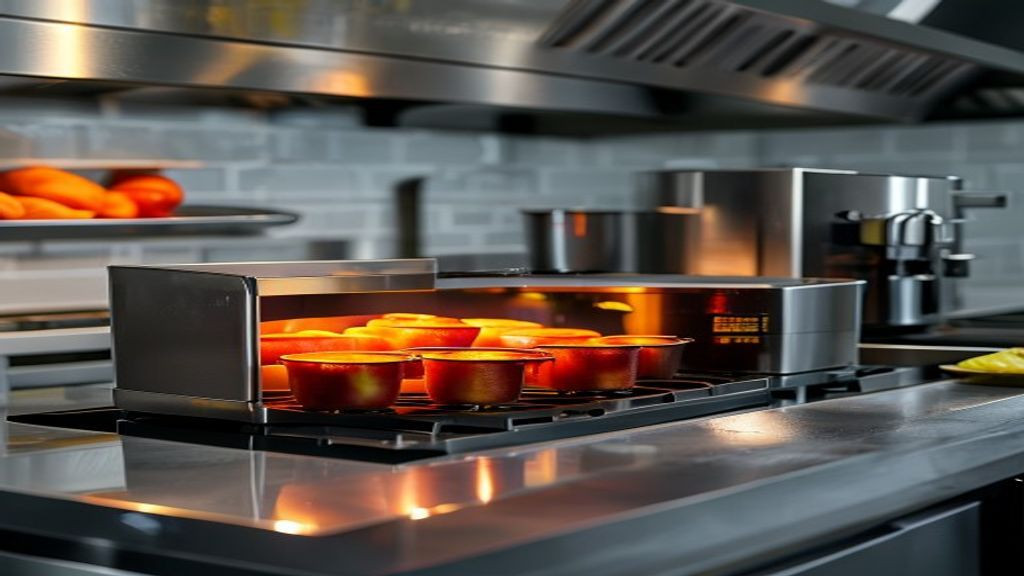
A Henny Penny Velocity purchase should be driven by capacity, fuel, controls, cleaning workflow, and real peak throughput—not brand familiarity alone. When those factors line up with your menu and utilities, the fryer is more likely to protect ticket times and product quality.
Next step: pull your busiest-hour demand, request model-specific specs from an authorized dealer, and compare at least two complete quotes with install and warranty included. That process turns a keyword search into a decision your kitchen can run every day.
Looking for a ready-to-order option? Explore this henny penny velocity on HorecaStore.


Comments
Post a Comment