Henny Penny Velocity Pressure Fryer Buyer Guide
Henny Penny Velocity Pressure Fryer: What Buyers Should Know
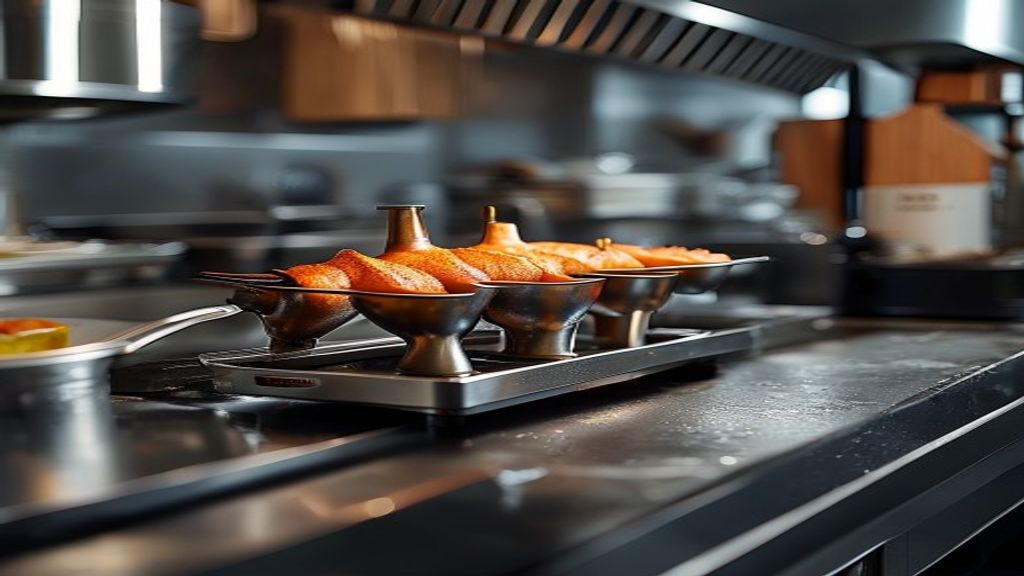
If you are evaluating a Henny Penny Velocity pressure fryer for a high-volume kitchen, you are usually weighing speed, product consistency, and labor—not just sticker price. Pressure frying can deliver juicier fried chicken and shorter cook cycles than open-vat frying, which matters when ticket times stack up during peak service. For more background, see Learn more about henny penny velocity pressure fryer.
Henny Penny Fryer Guides put together this practical overview for restaurant owners, kitchen managers, and equipment buyers comparing commercial fryers. Below, we cover how to think about capacity, fuel type, controls, cleaning, and throughput when the Velocity line is on your shortlist—without inventing model-specific specs that only the manufacturer’s current data sheets can confirm.
Use this guide alongside official Henny Penny documentation, a dealer quote, and a side-by-side cook test with your menu items before you sign a purchase order.
What the Henny Penny Velocity Pressure Fryer Is Built For
A Henny Penny Velocity pressure fryer is aimed at operators who need reliable pressure-fried results—especially chicken and other breaded proteins—at commercial speeds. Pressure frying traps steam and raises the boiling point of moisture in the food, which can shorten cook time while helping retain juiciness compared with atmospheric frying alone.
When you compare it to open fryers, focus on your menu mix: if fried chicken or similar items drive a large share of sales, a pressure fryer may improve consistency and throughput. If your lineup is mostly fries, appetizers, and flexible batch frying, an open fryer or a mixed battery may still be the better fit.
Pressure frying vs. open-vat frying
Pressure fryers cook under sealed pressure; open vats do not. That difference shows up in cook time, texture, and how you stage product during rushes. Ask your dealer for cook-time ranges for your portion sizes, and validate them with a demo using your breading and oil—not a generic sample only.
Where Velocity fits in a fryer lineup
Treat the Velocity as a specialized workhorse for pressure-fried core items, then plan open fryers or holding cabinets around it. Many kitchens run pressure fryers for chicken and keep separate vats for fries and sides to avoid flavor transfer and to protect oil life.
Capacity, Fuel Type, and Throughput Planning
Capacity and fuel type drive real-world output more than brochure language. Confirm basket or well capacity in pounds or pieces for your standard portion, how many loads you can run per hour at your target cook cycle, and whether gas or electric service matches your store’s utilities and hood design.
Throughput is not only fryer speed. Factor in breading station pace, oil recovery time between loads, holding capacity, and how many people you staff during peak. A fast fryer that outruns your prep line still creates bottlenecks.
Sizing capacity to your peak hour
Estimate peak-hour chicken (or primary protein) orders, convert that to loads based on your portion size, and add a buffer for unexpected spikes. Ask for published or dealer-provided load recommendations and recovery expectations, then pressure-test them against your busiest day—not an average Tuesday.
Gas vs. electric considerations
Gas and electric pressure fryers can both serve commercial kitchens, but installation cost, utility rates, and available BTU or amperage often decide the winner. Confirm hood, fire-suppression, and clearances with your installer, and compare operating cost using your local energy rates rather than national averages.
Controls, Cleaning, and Daily Kitchen Fit
Controls should match how your crew actually cooks: programmable cook cycles, clear temperature and pressure indicators, and alerts that reduce guesswork for newer staff. Simpler interfaces often win in high-turnover kitchens; more programmable options help multi-unit operators standardize recipes across sites.
Cleaning and oil management affect food quality and cost per plate. Plan for filtered oil routines, accessible surfaces, safe cool-down procedures, and training that covers gasket care, lid seals, and manufacturer-approved cleaning chemicals. Downtime for poor cleaning habits can erase any throughput advantage.
What to look for in controls
Prioritize readable cook programs for your core SKUs, password or lock options if you need recipe control, and diagnostics that help managers spot issues early. During a demo, have a line cook—not only a manager—run a full cycle so you can see training burden in real time.
Cleaning and oil life best practices
Follow Henny Penny’s recommended filtration and cleaning schedule for your model, skim and filter on a cadence tied to volume, and track oil quality with clear discard criteria. Consistent oil care protects flavor, extends oil life, and keeps pressure-fried product looking and tasting on-brand.
Buying Checklist for Restaurant Owners and Kitchen Managers
Before you buy a Henny Penny Velocity pressure fryer, gather the current spec sheet, warranty terms, parts lead times, and training support from your dealer. Confirm footprint, utility connections, hood compatibility, and whether your menu truly benefits from pressure frying enough hours per day to justify the investment.
Compare total cost of ownership: equipment price, installation, oil usage, labor for cleaning, service contracts, and expected throughput gains. Request references from similar-volume operators when possible, and document cook times and yield from a live demo with your recipes.
Questions to ask your dealer
Ask for model-specific capacity and cook-cycle guidance for your portions, gas vs. electric options available in your market, recommended filtration accessories, preventative maintenance intervals, and what is covered under warranty versus billable service. Get lead times for common wear parts in writing.
Frequently Asked Questions
What is a Henny Penny Velocity pressure fryer used for?
It is a commercial pressure fryer typically used for high-volume fried chicken and similar breaded proteins where operators want faster cook cycles and moist, consistent results compared with open-vat frying alone.
How do I choose capacity for a Henny Penny Velocity pressure fryer?
Size capacity to peak-hour demand: estimate portions sold in your busiest hour, convert to loads using your standard piece count or weight per load, then add a buffer. Confirm load guidance on the current manufacturer or dealer spec sheet and validate with a demo.
Should I choose gas or electric for a Velocity pressure fryer?
Choose based on your building’s utilities, hood design, local energy costs, and installation budget. Both fuel types can work commercially; your electrician, plumber, and hood contractor should confirm feasibility before you order.
How important are controls when comparing Henny Penny pressure fryers?
Very important for consistency and training. Look for programmable cook cycles for your core menu items, clear status feedback, and an interface your line staff can run correctly during rush without constant manager oversight.
What cleaning tasks matter most for pressure fryer performance?
Regular oil filtration, proper cool-down before cleaning, care of lids and seals per manufacturer instructions, and scheduled deep cleans. Poor oil and seal maintenance can hurt product quality, safety, and uptime.
Is a pressure fryer better than an open fryer for every restaurant?
No. Pressure fryers shine when pressure-fried proteins are a major sales driver. If most volume is fries and mixed appetizers, open fryers—or a combination of pressure and open fryers—may be a better kitchen layout.
Conclusion
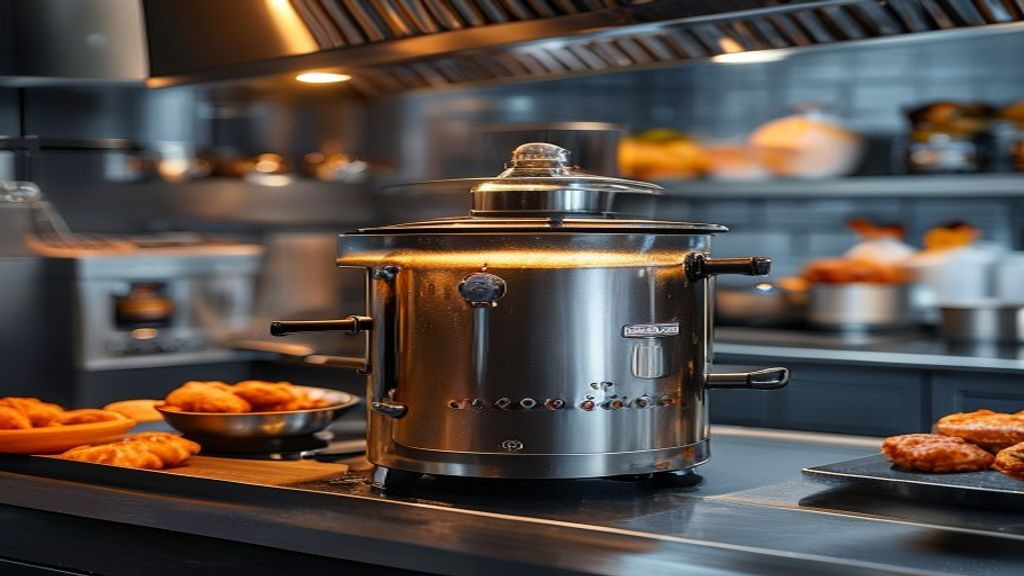
A Henny Penny Velocity pressure fryer can be a strong fit when chicken or similar pressure-fried items need consistent quality and dependable throughput. Match capacity and fuel type to your peak demand and utilities, then judge controls and cleaning routines by how your actual crew will run the line every day.
Next, pull the latest Velocity specs from Henny Penny or an authorized dealer, schedule a demo with your recipes, and compare total cost of ownership against your current fryer setup. Henny Penny Fryer Guides recommend buying on measured cook performance and kitchen fit—not marketing claims alone.
Looking for a ready-to-order option? Explore this henny penny velocity pressure fryer on HorecaStore.


Comments
Post a Comment