What Is a Henny Penny? Commercial Fryer Guide
What Is a Henny Penny? A Practical Guide for Kitchen Buyers
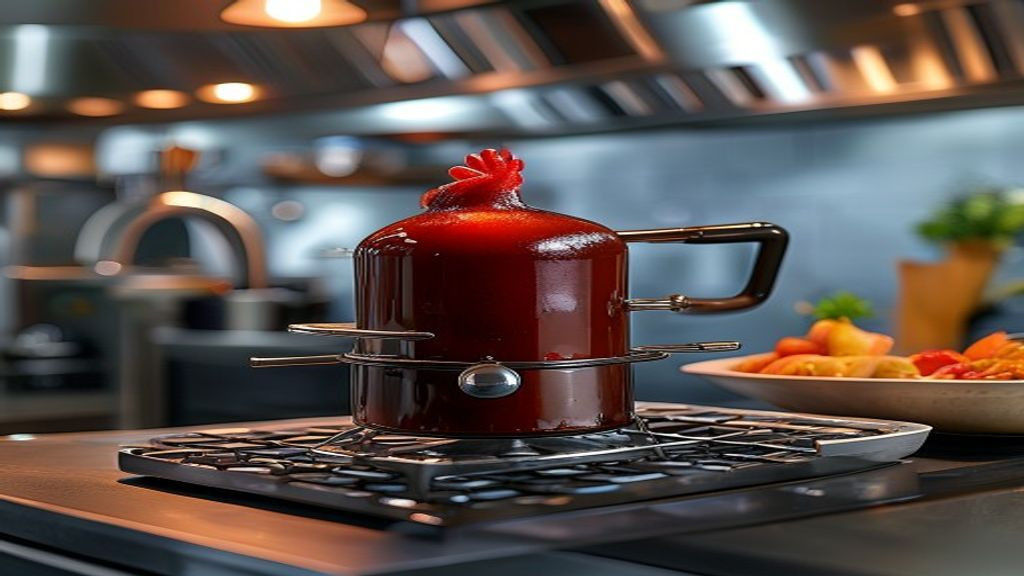
If you have spent time in commercial kitchens or equipment quotes, you have likely heard the phrase "Henny Penny" used like a product category. For many operators, asking what is a Henny Penny is really asking whether a pressure fryer from this brand fits their menu, volume, and staffing reality. For more background, see Learn more about what is a henny penny.
Henny Penny is best known for commercial pressure fryers used to cook high volumes of fried chicken and similar items with consistent texture and shorter cook times than open frying alone. Buyers comparing units should focus on capacity, fuel type, controls, cleaning workflow, and peak-hour throughput, not brand lore.
This guide from Henny Penny Fryer Guides explains what the name means in day-to-day kitchen language, how pressure frying differs from standard open frying, and which practical checks help restaurant owners and kitchen managers choose the right commercial fryer setup.
What Is a Henny Penny in a Commercial Kitchen?
In restaurant buying conversations, "a Henny Penny" usually means a Henny Penny commercial pressure fryer: equipment designed to fry under sealed pressure so food cooks faster while retaining moisture. Operators often use the brand name as shorthand for that style of fryer, especially in chicken-focused concepts.
That shorthand can be useful, but it can also blur important differences between models. When you evaluate what is a Henny Penny for your line, treat it as a family of commercial fryers with shared pressure-cooking principles and different sizes, fuel options, control packages, and maintenance needs.
Brand name vs. fryer type
Henny Penny is a manufacturer of commercial kitchen equipment. Pressure frying is the cooking method many of their fryers are known for. Asking what is a Henny Penny should lead you to compare specific unit classes (pressure fryers versus open fryers) and then match capacity and fuel type to your menu and utility setup.
Why kitchens associate the name with fried chicken
Pressure fryers are widely used for bone-in chicken and other breaded proteins because sealed pressure can shorten cook cycles while helping keep product juicy. High-volume chicken concepts often standardize on this equipment category, which is why the brand name became everyday kitchen language.

How a Henny Penny Pressure Fryer Differs From Open Frying
An open fryer cooks food submerged in hot oil at atmospheric pressure. A pressure fryer seals the fry pot during the cook so vapor builds pressure inside the vessel. That environment typically supports faster cook times and a different moisture profile than open frying alone.
For buyers, the practical takeaway is workflow, not marketing language. Pressure frying changes load planning, lid timing, venting and safety habits, and how cooks stage holds during rushes. Those differences matter as much as oil type or basket size when you forecast throughput.
Capacity and batch planning
Capacity is usually discussed in terms of how much product a fry pot can handle per load and how many loads you can turn during peak hours. Rather than relying on a remembered number, confirm the manufacturer's rated capacity for the exact model under consideration and map it to your busiest 15 to 30 minute window.
Fuel type and kitchen utilities
Commercial Henny Penny fryers are commonly offered in electric or gas configurations, depending on the model line and market. Choose based on available utilities, hood requirements, energy costs, and service support in your area, not preference alone. Confirm voltage, phase, gas type, and clearances before you order.
What Buyers Should Compare Before Choosing a Unit
Restaurant owners and kitchen managers comparing commercial fryers should score each option on the same checklist: menu fit, rated capacity, fuel and utility match, control features, cleaning time, parts availability, and realistic peak throughput. A unit that looks strong on paper can still slow a line if cooks cannot keep up with lid cycles or filtration.
Ask vendors for current model documentation, warranty terms, recommended oil management routines, and training resources. Avoid buying on brand recognition alone when the question is what is a Henny Penny best suited for: your volume, staffing level, and fried menu mix.
Controls, cook programs, and consistency
Modern commercial pressure fryers often include programmable cook controls so teams can store times and temperatures for core menu items. That helps reduce guesswork during shift changes. Verify how easy it is to set, lock, and update programs, and whether the interface matches the skill level of your line staff.
Cleaning, filtration, and daily close
Oil life and food quality depend heavily on filtration frequency and how thoroughly the fry pot, lid components, and surrounding surfaces are cleaned. Compare filtration method, drain access, cool-down expectations, and end-of-day steps. The best fryer for your kitchen is one your team can clean correctly every night without cutting corners.
Matching Throughput to Real Service Windows
Throughput is not only pot capacity. It is cook cycle length, recovery between loads, holding strategy, and how many fryers you can run without bottlenecking breading, packaging, or window times. Pressure frying can support strong chicken volume, but only when staging and staffing match the equipment.
Walk a typical Friday dinner or lunch rush with your managers: how many pieces per minute do you need, how long can product sit without quality loss, and where do delays actually happen? Use those answers to decide whether one pressure fryer, multiple fryers, or a mix of pressure and open fryers is the smarter layout.
Practical next steps for RFPs and demos
Request a live or recorded demo of the exact model class you are considering, including load, unload, filtration, and lid handling. Ask for current capacity guidance, utility specs, recommended cleaning schedule, and service coverage. Then score each quote against the same throughput and labor assumptions.
Frequently Asked Questions
What is a Henny Penny?
In commercial kitchen language, a Henny Penny usually refers to a Henny Penny pressure fryer, a commercial fryer designed to cook under sealed pressure. The company also makes related equipment, so always confirm the exact model and fryer type on a quote.
Is a Henny Penny the same as any pressure fryer?
No. Pressure frying is a cooking method used by more than one manufacturer. Henny Penny is a specific brand. Compare model capacity, fuel type, controls, cleaning workflow, warranty, and local service support rather than treating all pressure fryers as interchangeable.
Who should buy a Henny Penny pressure fryer?
They are most practical for restaurants and commissaries with steady fried chicken or similar high-volume fried protein demand. If your menu is mostly fries, appetizers, or low-volume fried items, an open fryer lineup may be a better fit.
What should I compare besides brand name?
Prioritize rated capacity for your peak window, electric vs. gas utility match, programmable controls, filtration and cleaning time, parts and service access, and realistic throughput with your staffing model. Ask for current manufacturer specs for the exact unit.
Does a pressure fryer replace every open fryer?
Usually not. Many kitchens run pressure fryers for chicken and keep open fryers for fries, seafood, or other items that do not need pressure cooking. Plan your line by menu category and rush demand.
How important is cleaning in fryer performance?
Very. Incomplete filtration and rushed closeouts shorten oil life, hurt product quality, and create safety issues. When comparing units, treat daily cleaning time and filtration access as core buying criteria alongside capacity and controls.

Conclusion
So what is a Henny Penny in practical buyer terms? It is commonly a Henny Penny commercial pressure fryer, equipment valued for high-volume fried chicken workflows, evaluated by capacity, fuel type, controls, cleaning demands, and real peak-hour throughput.
If you are comparing quotes, use a shared checklist, verify current model documentation, and involve the cooks who will run and clean the unit. For more practical buying guidance, keep exploring Henny Penny Fryer Guides as you narrow fuel options, layout, and service support for your kitchen.
Looking for a ready-to-order option? Explore this what is a henny penny on HorecaStore.


Comments
Post a Comment